
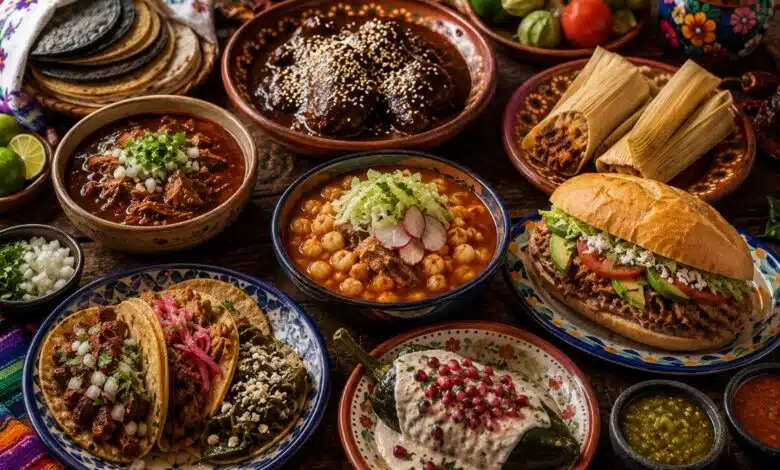
Mexican food becomes much more interesting the moment the menu stops looking like one long row of tacos. The country’s cooking is built from regional ingredients, local techniques, market habits, family celebrations and very different ideas about what a satisfying meal should be. A plate from Oaxaca may revolve around toasted chiles and mole; a Jalisco order may arrive as birria with broth; a Yucatán dish may taste of citrus, achiote and slow cooking; a northern menu may lean toward flour tortillas, grilled beef and practical, generous portions.
This guide is designed as a menu passport rather than a greatest-hits list. It explains how to recognize regional clues, what familiar words really tell you, which dishes are complete meals, and how to order beyond the default taco-and-burrito reflex. Tacos still matter, of course. They are simply one doorway into a much larger kitchen.
For a first regional Mexican meal, choose one dish with a clear place or technique attached to it: birria from the Jalisco tradition, mole from Puebla or Oaxaca, pozole identified by color and meat, a tamal described by filling and wrapper, or a torta with a named regional style. The more specific the menu is, the easier it becomes to understand what the kitchen is trying to cook.
Corn and masa are not background ingredients
Traditional Mexican cooking is often described through corn, beans and chiles, but corn is not merely a side dish or neutral wrapper. It is a system of textures. Nixtamalized corn becomes masa, and masa becomes tortillas, tamales, sopes, gorditas, tlacoyos, memelas, huaraches, tetelas, tostadas and many other forms. Each shape changes the balance between crispness, softness, filling and sauce.
A fresh tortilla is flexible, aromatic and sturdy enough to carry food without becoming cardboard. A sope has a thicker base with a raised edge, useful for beans, meat, salsa and crema. A gordita is thicker still and may be split or topped depending on the style. A tlacoyo is elongated and commonly filled before cooking. A tostada is crisp and depends on contrast: creamy beans or seafood, crunchy cabbage, bright salsa, perhaps avocado. A tamal steams masa around a filling, wrapped in corn husk or banana leaf depending on region and recipe.
This is why “Mexican food” cannot be reduced to fillings. Two dishes may use the same pork, beans and salsa yet feel entirely different because the masa is griddled, fried, steamed, thick, thin, folded or crisped.
When a restaurant makes tortillas in-house or names a specific masa form, that detail deserves attention. It often tells you more about the meal than a long list of premium toppings.
In northern Mexico, flour tortillas are not an apology
Outside Mexico, corn tortillas are sometimes treated as the authentic choice and flour tortillas as a concession. That idea flattens the north. In several northern traditions, wheat flour tortillas are deeply established, especially alongside grilled meats, stews and practical border cooking. Sonora is particularly associated with large, thin flour tortillas and beef-centered meals, while other northern states have their own combinations of meat, cheese, dried chiles and preserved foods shaped by climate and ranching.
A northern-style menu may place more emphasis on carne asada, machaca, cabrito, burritos in regional forms, grilled onions, beans and flour tortillas. The burrito deserves special care here. The enormous rice-heavy restaurant burrito familiar in the United States is one branch of a much broader story. In northern Mexico, a burrito may be smaller, simpler and focused on one filling such as stewed meat, beans, machaca or chile-based guisado.
If you see Sonoran cues, notice the tortilla first. A well-made flour tortilla should be supple, lightly blistered and flavorful enough to eat with minimal filling. If the kitchen offers grilled beef, beans and salsa beside those tortillas, the meal may be deliberately spare rather than incomplete.
Machaca generally refers to dried or shredded meat, often beef, used with eggs, vegetables, chiles or tortillas. Restaurant versions vary, so ask whether it is dry, stewed or served as a breakfast preparation.
For a first northern order, choose carne asada with flour tortillas, a regional burrito that is not overloaded, or a dish that names Sonora, Chihuahua, Nuevo León or another northern state. The goal is not to prove that you can eat the hottest salsa. It is to notice how meat, tortilla and chile are balanced.
Jalisco can move from broth to sandwich without losing its identity
Jalisco is associated with several dishes that have become internationally familiar, especially birria and tortas ahogadas. Yet they represent different pleasures. Birria is slow-cooked meat with a chile-and-spice profile, served either with broth or in a form that may be drier depending on the preparation. Tortas ahogadas are sandwiches “drowned” in sauce, typically built on a firm bread capable of surviving the soak.
Birria’s recent popularity has created a menu vocabulary full of quesabirria, birria ramen, birria pizza and other hybrids. Some are enjoyable. None should replace understanding the underlying dish. A useful birria menu tells you the meat, whether broth is included, and how the dish is served. Goat or lamb may be traditional in some contexts; beef is common in many restaurants, especially outside Mexico. The meat should taste braised rather than merely shredded and coated in orange oil.
Tortas ahogadas require a different appetite. They are messy by design. The bread matters because ordinary soft sandwich bread would collapse. The sauce may be tomato-based with a separate hotter chile sauce, or the restaurant may serve a fully spicy version. Ask before assuming “drowned” means mild.
If the table wants birria and tortas ahogadas, share rather than ordering both as individual meals. One is brothy and deeply savory; the other is bread-heavy, sauced and best eaten promptly.
Jalisco menus may also include pozole, carne en su jugo, tejuino or regional tacos. Rather than collecting famous names, look for a coherent set of dishes. That coherence is often a better sign than a menu containing every viral Mexican item at once.
Central Mexico rewards the diner who likes markets and small decisions
Central Mexican food is difficult to summarize because the region includes cities, highlands, market traditions, street-food cultures and state-specific specialties. Mexico City alone can move from tacos al pastor to tlacoyos, tamales, tortas, seafood tostadas, barbacoa and formal restaurant cooking within a short distance.
The useful thread is format. Market and street foods often let you build a meal through several smaller choices rather than one enormous entrée. You might begin with a tlacoyo filled with beans or cheese, add a taco with a specific meat preparation, then finish with fruit, a sweet bread or an agua fresca. This is not necessarily cheaper or lighter, but it gives you more information about the cooking.
Barbacoa is one central-Mexico clue worth reading carefully. The term can refer broadly to slow-cooked meat, but traditional methods and common meats vary by place. In Hidalgo and nearby traditions, lamb or mutton barbacoa is especially important. It may be served with consommé, tortillas, onion, cilantro and salsa. A restaurant offering weekend barbacoa may be telling you about a cooking schedule as much as a recipe.
Carnitas, strongly linked with Michoacán, offer another lesson in specificity. “Pork taco” is not enough information. Carnitas can include different cuts and textures, from leaner meat to richer skin or organ meats. Some counters let you choose. If you want a balanced first order, ask for maciza or a mix, then add one more adventurous cut only if you are curious.
For the cautious eater
Try a tlacoyo, carnitas taco, chicken tamal or barbacoa with clearly listed meat. Use salsa gradually and keep the first plate structurally simple.
For the texture hunter
Look for crisp tostadas, thick masa bases, mixed carnitas cuts, tender barbacoa, grilled cactus or a soup with hominy. Central menus are excellent for contrast.
Puebla is where “sauce” stops being a useful translation
Puebla is closely associated with mole poblano, but the state’s food identity extends through cemitas, chalupas, pipianes, adobos, chileatole and seasonal dishes such as chiles en nogada. The important point for a first-time diner is that a Puebla menu often layers toasted, ground, fried, simmered and fresh components. Calling all of that “sauce” misses the work and the structure.
Mole poblano may combine dried chiles, spices, seeds, nuts and other ingredients, with recipes varying by cook and occasion. Chocolate may appear, but it does not make mole a chocolate sauce. In a balanced mole, sweetness, bitterness, chile, toastiness and spice support one another. The sauce may be served over turkey or chicken, with rice and tortillas, allowing the diner to control each bite.
Cemitas are substantial sandwiches associated with Puebla, built on a sesame-topped roll and filled with combinations that may include breaded meat, cheese, avocado, chipotle and the herb pápalo. They are not simply tortas with a different name. The bread, herb and regional logic matter.
Chiles en nogada are more seasonal and ceremonial: stuffed poblano chiles topped with a walnut-based sauce and pomegranate seeds. They should not be reduced to patriotic colors or sweetness. The dish depends on the contrast between savory filling, chile, creamy walnut sauce and fresh fruit notes.
The label may refer to a specific mole, a sandwich style, a chile preparation or a broader house interpretation. The noun after the regional adjective is still doing important work.
Oaxaca is not one mole and one cheese
Oaxaca is often introduced through mole negro, tlayudas and quesillo, but even that famous trio can become shorthand. Oaxacan food includes multiple moles, toasted chiles, herbs, corn preparations, meats, beans, chocolate drinks, tamales and market foods with strong local variation. A restaurant that presents only “Oaxacan cheese” and a very dark sauce is giving you a fragment, not the whole picture.
Tlayudas begin with a large, partially dried or toasted corn tortilla. They may be spread with asiento or another fat, beans, cheese, cabbage or lettuce, salsa and meat, then served open or folded. The texture should be part crisp, part chewy. Calling one a “Mexican pizza” may help describe the shape, but it can mislead the diner about the flavor and eating experience.
Oaxacan tamales are frequently associated with banana-leaf wrapping, which creates a different aroma and moisture level from corn-husk tamales. Fillings and moles vary. Memelas are smaller masa rounds, often topped with beans, cheese, salsa and other ingredients. Tetelas are triangular masa parcels, commonly filled before cooking.
Mole names on an Oaxacan menu may include negro, coloradito, rojo, amarillo, verde, chichilo or manchamanteles. No quick ranking from “mildest” to “hottest” can explain them properly. Color reflects ingredients and technique, not a universal heat scale.
Choose one masa dish and one mole dish for the table. A tlayuda or memela reveals texture; a mole with simply cooked poultry or meat reveals the kitchen’s sauce work. Ordering three heavy moles at once can blur the distinctions you came to taste.
The coasts and Yucatán change the flavor compass
Mexican menus outside Mexico often lean heavily toward beef, pork, cheese and red salsa. Coastal traditions remind the diner how much seafood, citrus, tomato, herbs and local chiles matter. Veracruz is especially associated with preparations that combine seafood with tomatoes, olives, capers, herbs and chiles, reflecting a history of exchange as well as local ingredients. Elsewhere along the Pacific and Gulf coasts, ceviches, aguachiles, fish tacos, shrimp dishes and seafood cocktails take different regional forms.
Aguachile deserves a careful order. It is not simply ceviche with more sauce. Common versions use raw or lightly cured seafood with lime, chiles, onion and cucumber, but the exact chile level and seafood preparation vary. Ask about heat and whether the seafood is raw. The dish is bright, immediate and poor at waiting on a takeout counter.
Yucatán cooking points in another direction. Achiote, sour orange, recados, habanero, pickled red onion and slow-cooked meats create combinations that taste earthy, citrusy, aromatic and sometimes fiercely hot at the condiment level. Cochinita pibil is one of the best-known dishes: pork seasoned with achiote and citrus, traditionally associated with slow cooking and often served with pickled onion.
Panuchos and salbutes offer another way into Yucatecan food. Both use fried masa, but their construction and textures differ. Sopa de lima is a citrus-scented soup often made with poultry and crisp tortilla strips. Papadzules feature tortillas with a pumpkin-seed sauce, often filled with egg and finished with tomato sauce.
Yucatecan dishes can be aromatic rather than uniformly hot, while the table salsa delivers the real heat. Taste the base before turning the meal into a chile endurance test.
Mole is a category of thought, not a single brown sauce
The word mole comes from a term for sauce or mixture, but on a modern menu it can describe a wide family of preparations made with different chiles, seeds, nuts, spices, herbs, fruits, vegetables and cooking techniques. Some are dark and complex; others are green, yellow, red or brick-colored. Some are festive and labor-intensive. Others are everyday regional foods.
When reading mole, ask four questions. What color or named style is it? What protein or vegetable carries it? Is the sauce described as sweet, smoky, nutty, herbal or chile-forward? Is it the main event or one element in a larger dish?
A good first mole order pairs the sauce with a relatively quiet protein such as chicken or turkey, plus rice and tortillas. That gives the sauce room to speak. A plate overloaded with melted cheese, sour cream and several competing salsas may hide the qualities you wanted to understand.
Birria should still taste like braised meat when the cheese leaves the room
Birria is now one of the most visible Mexican dishes on social media, usually presented as a crisp, cheese-filled taco dipped into red consommé. That format can be excellent, but it is not the complete definition. Birria is fundamentally a seasoned, slow-cooked meat preparation associated especially with Jalisco and neighboring traditions, served in broth, as meat on a plate, or in tacos.
The first menu question is the meat. Goat, lamb and beef all appear in different contexts. The second is the service: bowl with broth, plate, taco, quesabirria or combination. The third is whether the consommé comes from the braise or is treated as a separate dipping product.
A balanced birria bowl should offer tender meat, aromatic chile-and-spice depth and broth that tastes like cooking liquid rather than melted fat. A quesabirria taco should be crisp enough to hold, with cheese supporting rather than erasing the meat. Excessive oil on the griddle may photograph beautifully and eat heavily.
If you are new to birria, order one bowl or plate plus one taco rather than six cheese-heavy tacos. Taste the meat alone, then with onion, cilantro, lime and salsa. Dip selectively. The goal is to understand the braise before the consommé becomes a stunt.
Pozole is a complete table hidden inside a bowl
Pozole is a hominy-based soup or stew with deep historical roots and many regional forms. Menus commonly identify it as blanco, rojo or verde, but color is only the beginning. The broth, chile base, meat and garnish traditions can vary by region and household.
White pozole generally leaves the broth less colored by a chile puree, allowing diners to season at the table. Red pozole uses red chiles for color and flavor. Green pozole may use green chiles, herbs, seeds or tomatillos depending on the style. Pork and chicken are common, though other versions exist.
The garnish plate is part of the dish: shredded cabbage or lettuce, radish, onion, lime, oregano, chile, tostadas and sometimes avocado. Additions should sharpen and refresh the bowl, not bury it. Start with onion, cabbage and lime. Add chile only after tasting the broth.
Pozole is usually more filling than it looks. Hominy has substance, and the meat plus tostadas can turn a bowl into a large meal. When sharing appetizers, order a smaller portion if available.
Red pozole is not always hotter than green, and white is not always bland. Ask about the chile level rather than guessing from appearance.
Tamales change with the wrapper, masa, filling and occasion
A tamal is not one recipe but a method and family of foods: seasoned masa encloses or supports a filling, then cooks inside a wrapper. Corn husks are common, but banana leaves and other regional materials also appear. The wrapper affects aroma, moisture and shape even though it is not eaten.
Some tamales are fluffy and light; others are dense, rich or saucy. Fillings can include pork in red chile, chicken with green sauce, mole, cheese and chiles, beans, vegetables, seafood, fruit or sweetened masa. Regional versions may be tiny, enormous, thin, rectangular, triangular or nearly pudding-like.
Menu descriptions should tell you the filling and ideally the wrapper or regional style. “One tamale” is not enough information to predict size. A banana-leaf tamal may arrive broader and softer than a corn-husk version. An Oaxacan tamal with mole is a different experience from a northern corn-husk tamal filled with shredded meat.
For a first tasting, order two contrasting tamales rather than four of the same kind: one chile-based savory filling and one regional or sweet version. Eat them while warm. Masa firms as it cools, and reheating can dry it if done carelessly.
Open the corn husk or banana leaf and eat the cooked masa inside. This seems obvious to experienced diners, but it is one of the most common first-time questions.
A torta is not merely “the Mexican sandwich”
Tortas use bread, but that broad definition hides strong regional identities. The bread may be a bolillo, telera, cemita roll or another local form. Fillings range from simple ham, cheese or egg to milanesa, carnitas, chorizo, roast pork, tamal or elaborate combinations. Sauces and finishing methods matter as much as the filling.
A cemita from Puebla is recognized through its sesame-topped bread and characteristic combinations, often involving avocado, cheese, chipotle and pápalo. A torta ahogada from Jalisco is built to be soaked in sauce. A guajolota in Mexico City places a tamal inside a bread roll, a carbohydrate-on-carbohydrate breakfast that makes more sense when eaten as a practical street meal than when judged as a nutritional diagram.
Tortas can be excellent first orders because the format is familiar while the details are regional. Read the bread, filling and sauce. If the sandwich is drowned or heavily sauced, eat it immediately. If it contains a breaded cutlet, crispness will decline in a closed takeout box.
Do not assume the largest combination is the most representative. A torta with twelve meats and five sauces may be a house spectacle. A regional sandwich with a clear identity usually teaches you more.
The taco words that help more than “soft or hard”
The American question “soft or hard shell?” is not the most useful way to approach a serious taco menu. The valuable words describe meat, cooking method, cut and regional style.
For a first taco order, choose three different cooking methods rather than three similar meats. For example: one al pastor, one guisado and one carnitas or barbacoa. Taste each before adding the same salsa to all of them.
Restaurants sometimes translate every item into “pork taco,” “beef taco” or “chicken taco.” When that happens, ask what the preparation is called in Spanish. The answer can reveal whether you are ordering a grill item, braise, stew, fried taco or house invention. Readers interested in how culinary names shift across menus can continue with Vesti’s guide to why the same dish can carry different names.
Four ways to build a first meal without ordering the entire country
The sauce-first dinner
Order one mole dish, rice, tortillas and a bright starter such as a tostada, salad or ceviche if the restaurant handles seafood well. This route works for diners who enjoy layered flavors and want to compare richness with acidity. Avoid adding a second heavy cheese dish unless the table is large.
The broth-and-braise dinner
Choose birria, barbacoa with consommé or pozole, then add one small masa item. This is ideal in cool weather or when you want a meal built around slow cooking. Ask about portion size; soup bowls can be enormous.
The market-snack route
Pick three different formats: a tlacoyo or memela, one taco and one tostada. Finish with fruit, pan dulce or a traditional drink. This route suits curious diners who would rather compare textures than commit to one entrée.
The regional sandwich route
Order a cemita, torta ahogada or another named regional torta with one simple side. Do not add a burrito merely because both are handheld. Let the bread, filling and sauce define the meal.
In a broad Mexican restaurant, the smartest question is often: “Which dishes on this menu are from the region your kitchen cooks most often?” That is more useful than asking for the most authentic item, a word that can place the server in an impossible position. A restaurant may be regional, family-specific, contemporary or adapted to local ingredients while still cooking with care.
How to recognize a menu with a point of view
A focused menu does not have to be short, but it should show relationships. If the kitchen serves Oaxacan food, the masa dishes, moles, cheeses, meats and beverages should feel connected. If it specializes in Jalisco, birria should not appear as one orange item hidden among sushi, wings and generic burritos. If it is a Mexico City-style taquería, the cuts, salsas and service rhythm should support that identity.
Spelling alone proves little. Regional language helps, but a menu can copy names without mastering technique. Look for useful descriptions, realistic portion formats and dishes that share ingredients intelligently. A kitchen that makes one excellent salsa for a specific taco may be more serious than one offering twelve indistinguishable sauces.
Photos can help identify portion and presentation, but they can also exaggerate cheese, oil and color. Read recent reviews for consistency, not just enthusiasm. Search for mentions of tortillas, masa, broth, meat texture, chile balance and whether dishes arrive hot. “Huge portions” is not the same as good cooking.
When shopping rather than dining, Vesti’s international food market guide explains how to read specialty shelves, prepared-food counters and unfamiliar labels without buying randomly.
Drinks can clarify the meal instead of making it louder
Aguas frescas, horchata, jamaica, tamarind drinks, atole, champurrado, café de olla, tejuino and regional sodas can all appear, but they do different jobs. A tart jamaica can refresh after rich food. Horchata is cooling and sweet, though sweetness levels vary widely. Tamarind balances sour and sweet. Atole and champurrado are thicker, masa-based drinks that can feel like part of breakfast or a complete snack rather than a light beverage.
Tejuino, associated strongly with western Mexico, is a fermented corn drink often served cold with lime and salt; it should not be confused with tequila. Café de olla is coffee traditionally flavored with piloncillo and spices, though restaurant sweetness varies. Mexican hot chocolate may be aromatic and foamy rather than intensely cocoa-heavy.
Order one traditional drink for the table before everyone commits to a large sweet beverage. Rich mole, birria and tortas can become tiring beside oversized sugar. Water, mineral water or unsweetened tea may be the better partner for most of the meal.
Takeout changes the hierarchy of Mexican dishes
Some Mexican foods travel beautifully because they are built around braises, stews and reheatable masa. Others depend on immediate contrast and decline within minutes. The distinction matters more than whether the dish is famous.
Birria meat and broth travel well when packed separately from tortillas, onion, cilantro and lime. Pozole is an excellent takeout candidate if garnishes remain separate. Mole often reheats well, especially when sauce, rice and tortillas are packed with some thought. Tamales are naturally portable and can be reheated gently with steam or moisture.
Tostadas are fragile. The crisp base should be separate from wet toppings. Tortas ahogadas and heavily sauced sandwiches are best eaten immediately unless the sauce is packed separately for assembly. Fried tacos, milanesa tortas and quesadillas lose crispness in a sealed box. Ceviche and aguachile require careful temperature control and should not sit through a long delivery route.
For a deeper look at packaging and texture, see Vesti’s guide to foods that handle takeout and delivery well. The same principle applies here: separate wet from crisp, hot from fresh, and broth from starch whenever possible.
Choose one braised dish, one reheatable masa item, tortillas, beans or rice, and fresh garnishes packed separately. Add crisp foods only if the drive is short.
Where city guides become useful
Regional Mexican food often appears unevenly across American cities. One neighborhood may specialize in Oaxacan cooking, another in birria, another in seafood or northern grilled meats. Instead of searching only “Mexican restaurant,” combine the dish or region with the city and neighborhood.
In Southern California, Mexican food can be central to the larger dining landscape, making Vesti’s Los Angeles food guide a useful next stop. In South Florida, the search may involve a different mix of Mexican, Caribbean and Latin American dining, which is why the Miami and South Florida food map approaches the region through neighborhoods and international food routes. Chicago diners can use the Chicago food guide to place Mexican food alongside the city’s broader neighborhood traditions.
Search for the dish first when the craving is specific: “pozole near me,” “Oaxacan mole,” “Yucatecan restaurant,” “Sonoran tacos,” “cemitas,” or “tortas ahogadas.” Search for the region when you want a coherent menu. Search for a market when you want tortillas, chiles, masa, prepared foods and pantry ingredients in one trip.
The meal gets better when Mexico is allowed to stay large
The most respectful way to enjoy Mexican food is not to memorize a checklist of famous dishes. It is to notice specificity. Which corn? Which chile? Which wrapper? Which region? Which cooking method? Which part of the meal is meant to be crisp, brothy, soft, smoky, sour or fresh?
Tacos and burritos can be excellent, but they should not function as borders around the cuisine. Mole teaches sauce structure. Birria teaches braising and service. Pozole turns garnish into participation. Tamales show how one method changes across regions. Tortas reveal the importance of bread. Coastal dishes bring in raw seafood, citrus and immediate texture. Northern food makes room for wheat, beef and the flour tortilla without asking permission.
Your first regional order does not need to be daring. It needs to be readable. Choose one place, technique or dish family, taste it before editing it with every salsa on the table, and let the next meal begin where the first one left a question.
Questions diners ask before ordering Mexican food
The answers below cover regional menus, sauces, heat, tortillas, tamales, birria, pozole and takeout.
What should I order first if I only know tacos and burritos?
Start with a dish whose structure is easy to understand: pozole, birria with broth, chicken or turkey with mole, two contrasting tamales, or a regional torta. Add one small masa-based item. This gives you a clear main dish and one new texture without turning dinner into a random tasting marathon.
Is mole always made with chocolate?
No. Mole is a broad family of sauces and preparations. Some dark moles may include chocolate, but many moles do not, and chocolate is rarely the only defining flavor. Chiles, seeds, nuts, spices, herbs, fruits and vegetables can all contribute depending on the regional recipe.
What is the difference between birria and barbacoa?
Both involve slow-cooked meat, but they are not interchangeable names. Birria is especially associated with a seasoned chile-and-spice preparation from Jalisco and nearby traditions, while barbacoa refers to regional slow-cooking traditions that vary in meat and method. Ask which meat is used and whether broth is included.
Are flour tortillas authentic Mexican food?
Yes, particularly in northern Mexican traditions. Corn tortillas are foundational across much of the country, but flour tortillas have a deep regional history in the north and are important with grilled meats, beans, stews and regional burritos.
How can I tell whether a Mexican dish will be very spicy?
Color and dish name are unreliable heat scales. Ask about the chile level of the base and whether a hotter salsa is served separately. Many dishes are aromatic, smoky or chile-rich without being extremely hot, while a small table salsa may carry most of the heat.
What is the difference between red, green and white pozole?
The names refer mainly to the broth and seasoning style. Red pozole uses red chiles, green pozole may use green chiles, herbs, seeds or tomatillos, and white pozole generally leaves the broth less colored by a chile puree. Regional recipes, meats and garnishes still vary.
Do I eat the corn husk or banana leaf around a tamal?
No. The wrapper is used for steaming and aroma. Open it and eat the cooked masa and filling inside.
What Mexican dishes travel best for takeout?
Pozole, birria, mole, tamales, beans, rice and many stewed dishes travel well when garnishes and tortillas are packed separately. Crisp tostadas, fried tacos, sauced tortas and raw seafood dishes are more sensitive to time and packaging.
Is a torta the same as a burrito?
No. A torta is a sandwich made with bread, while a burrito wraps a filling in a flour tortilla. Both have many regional forms, and neither is defined by one universal filling.
What does antojitos mean on a Mexican menu?
Antojitos refers broadly to small cravings or snack-style foods, often based on masa. The section may include sopes, gorditas, quesadillas, tostadas, tlacoyos or other regional items. Portions are not always small, so ask before ordering several per person.
