
Colombian Sancocho Types: Gallina, Costilla, Res, Pescado & Trifásico Explained
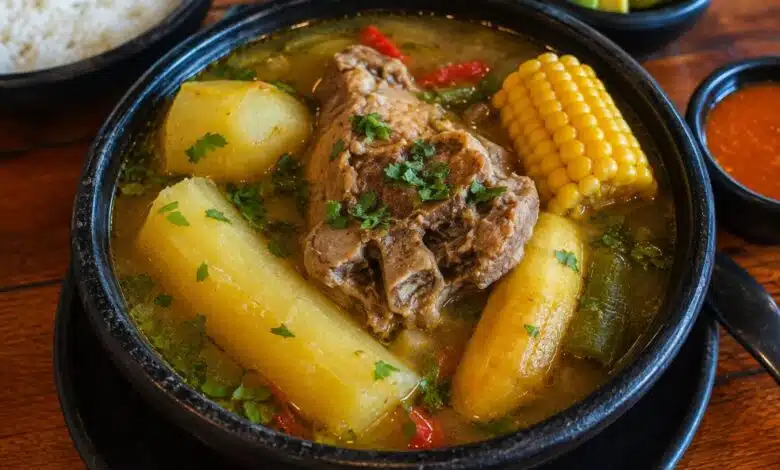
Colombian sancocho is not one soup with one fixed recipe or one required meat. A restaurant menu may offer sancocho de gallina, de costilla, de res, de pescado, de cola or trifásico, and changing that one word can change the broth, texture, richness, price and regional character of the meal.
Many versions still share a recognizable foundation. Yuca, green plantain, corn and potatoes can appear around very different proteins. Herbs and aromatics vary by region and kitchen, while rice, avocado, lime, ají or arepa may arrive beside the bowl. That shared structure explains why a fish sancocho and a beef-rib sancocho can still belong to the same family without tasting remotely alike.
The most useful way to read a Colombian restaurant menu is therefore to look beyond the word sancocho and identify what comes after it. Gallina points toward poultry. Costilla means rib. Res tells you beef but not necessarily the cut. Pescado means fish. Cola generally points to oxtail. Trifásico signals several meats in the same pot.
This guide explains those differences as restaurant orders: what each name means, how the protein changes the broth, which ingredients tend to remain consistent, how portions and sides affect value, and what to ask when a menu simply says “sancocho.” If you already know which style you want and are trying to locate a restaurant serving it, use our guide to finding Colombian sancocho near you.
The word after “sancocho de” tells you what kind of bowl you are ordering
Protein is one of the strongest clues on a Colombian sancocho menu. It affects the aroma of the broth, the amount of gelatin and fat, the texture of the meat and sometimes the price of the complete meal.
Hen or poultry-centered sancocho with a savory chicken-family broth.
Beef-rib sancocho with bone-in meat and a deeper beef character.
Beef sancocho in which the exact cut may vary from one kitchen to another.
Fish-based sancocho associated especially with coastal and river food traditions.
Oxtail sancocho with slow-cooked beef flavor and a gelatin-rich texture.
A mixed-meat sancocho containing several proteins in the same pot.
These names are more useful than asking which version is the one “real” Colombian sancocho. Colombian cooking is regional, and meaningful variation is part of the dish rather than evidence that one kitchen is doing it incorrectly.
Six common sancocho names can lead to six very different meals
The comparison below focuses on what a diner is most likely to notice: protein, broth character and the feature that most clearly separates one version from another.
| Style | Main protein | Broth character | What stands out |
|---|---|---|---|
| Gallina | Hen or chicken | Poultry-rich and aromatic | Traditional poultry flavor beside roots, plantain and corn |
| Costilla | Beef rib | Rich, beefy and often gelatinous | Bone-in meat and deeper beef character |
| Res | Beef | Beef-forward; depends on the cut | A broader beef category than costilla |
| Pescado | Fish | Lighter, marine and aromatic | The biggest departure from meat-based versions |
| Cola | Oxtail | Deep and gelatin-rich | Slow-cooked richness around bone and connective tissue |
| Trifásico | Several meats | Complex and usually substantial | Several meat flavors influencing one pot |
“Richest” and “lightest” are useful expectations, not absolute rankings. A concentrated poultry broth can taste richer than a weak beef broth, while a carefully trimmed costilla version can feel lighter than an especially fatty mixed-meat pot.
Poultry tradition
Sancocho de gallina has one of the clearest regional identities
Gallina sancocho is especially important in western Colombian cooking, including Valle del Cauca and Cauca. The general pattern combines poultry with substantial roots and vegetables such as yuca, potato, corn and plantain, although the exact composition changes by region and family.
The Spanish word gallina means hen. That matters because mature hen can have firmer meat and a deeper poultry flavor than the young chicken used in many everyday soups. Restaurant sourcing varies, however, and a menu using the traditional name does not tell you exactly what bird the kitchen purchased.
If that distinction matters to you, ask. A useful question is simply whether the kitchen uses gallina or regular chicken in today’s pot.
Compared with beef-rib sancocho, gallina generally gives the broth a more poultry-centered direction. The roots still make the meal substantial, so describing gallina as automatically “light” can be misleading. A large serving containing yuca, plantain, potato, corn, rice and avocado can be every bit as filling as a beef version.
Gallina is an especially useful first sancocho for someone who likes chicken soup but wants a more substantial Colombian meal built around roots, corn and plantain.
Beef rib
Sancocho de costilla puts bone-in beef at the center of the pot
Costilla means rib, making this one of the clearest menu names to interpret. Instead of merely telling you the animal, the restaurant is telling you the defining cut.
Beef rib changes sancocho in several ways at once. Meat brings deep savory flavor. Bone contributes to the long-cooked character of the broth. Connective tissue can soften and release gelatin, creating a fuller mouthfeel even when the liquid still looks relatively clear.
A properly cooked rib should be tender enough to eat without excessive effort. The meat does not need to disintegrate completely, but a very tough rib is a warning that the protein may not have cooked long enough.
Costilla also works particularly well beside yuca. The creamy, starchy interior of cassava softens the impact of a deep beef broth, while corn introduces sweetness and green plantain provides another dense texture.
If meat itself is one of the main reasons you want sancocho, costilla is one of the easiest styles to understand and one of the most satisfying places to begin.
General beef style
Sancocho de res tells you the animal, but not necessarily the cut
Res means beef. That makes sancocho de res broader than sancocho de costilla.
A restaurant can use a stewing cut chosen for slow cooking rather than rib. The beef may be largely boneless or may include bone. It may contain a combination of pieces rather than one dramatic cut.
This is why de res and de costilla should not automatically be treated as interchangeable menu terms.
“What cut of beef is in the sancocho de res today?”
The answer can tell you more about the bowl than the photograph. Beef shank, rib and boneless stewing beef behave differently after long cooking and contribute different amounts of connective tissue and fat.
For a diner who wants beef flavor but does not specifically need a rib, sancocho de res is often a sensible starting point.
Fish & coastal traditions
Sancocho de pescado changes the flavor direction more dramatically than a simple meat swap
Moving from beef to chicken changes richness. Moving from meat to fish changes the entire aromatic structure of the soup.
Fish sancocho can still contain familiar ingredients such as yuca, plantain, potato and corn, but the broth becomes marine rather than meat-forward. The type of fish, whether bone is involved and how long the fish cooks all matter.
Fish also requires different handling. Tough beef can improve during extended simmering. Fish can become dry, chalky or fall apart when cooked too aggressively for too long.
That difference makes pescado one of the strongest demonstrations that sancocho cannot accurately be reduced to “Colombian beef soup.”
The complete meal may still be heavy. A bowl packed with yuca, plantain, potato, corn and rice can be substantial even when the fish broth itself tastes lighter.
Anyone with seafood allergies should ask what fish is used and whether shellfish or shared seafood stock enters the preparation.
Oxtail
Sancocho de cola rewards diners who like slow-cooked beef and gelatin-rich broth
Cola means tail, and on this kind of menu it generally points to oxtail.
Oxtail contains bone, connective tissue and relatively small pockets of meat. With patient cooking, collagen converts into gelatin and gives the broth a fuller, almost silky mouthfeel.
The meat should become tender around the bone rather than remaining chewy. Because much of the physical size of an oxtail piece is bone, a large-looking piece does not necessarily contain a large quantity of edible meat.
This matters when comparing portion value. One restaurant may serve a huge-looking bone while another provides more actual meat in smaller pieces.
Oxtail can also cost more than ordinary stewing beef, which is one reason cola versions sometimes appear at a higher menu price.
For people who enjoy braised oxtail dishes, this style is usually more interesting than starting with generic de res.
Mixed meat
Trifásico lets several proteins influence one broth
Trifásico signals a multi-meat sancocho. The name strongly suggests three components, but restaurants do not necessarily use an identical combination.
One kitchen may combine beef, pork and chicken. Another can use a different trio. The menu term therefore tells you to expect several meats rather than guaranteeing a universal ingredient list.
This style can create one of the most complex broths because each protein contributes its own fat, aroma and texture.
It can also produce a particularly large meal. Several meats plus yuca, plantain, corn, potato, rice and avocado make the word “soup” feel almost inadequate.
Trifásico is a good choice when variety matters more than isolating one particular meat.
Yuca, plantain and corn connect many sancocho styles
Meat usually gets the menu headline, but the ingredients surrounding it are what keep very different bowls recognizable as members of the same sancocho family.
Cassava provides dense starch and a creamy interior when cooked correctly. Its edges can soften into the broth while the center remains substantial.
Green plantain is dense and starchy rather than dessert-sweet. It behaves much more like a root vegetable than a caramelized ripe plantain side dish.
Corn adds sweetness and a firmer texture and often appears as a section of cob rather than loose kernels.
Potato appears in many sancochos but usually does not dominate the identity of the broth in the way it does in Bogotá-style ajiaco.
Cilantro, onion, garlic and other seasonings vary according to regional tradition, family habits and restaurant style.
These shared ingredients explain how a fish sancocho and a beef-rib sancocho can feel related even though their broths taste completely different.
The protein changes the broth before you even reach the meat
A diner often experiences the difference between sancocho styles through the liquid first.
Gallina usually moves the pot toward poultry. Beef rib brings deeper beef flavor and can add gelatin. Oxtail pushes that effect further. Fish produces a different aromatic profile. Mixed meat can layer several types of richness together.
The vegetables then modify that base. Yuca can release starch. Plantain contributes body. Potato may soften into the liquid. Corn introduces sweetness.
This roughly moves from lighter meat character toward greater beef and gelatin richness. Individual restaurant preparations can easily move outside that sequence.
The important question is whether the broth tastes integrated with the protein. A rib should influence the liquid. Gallina should contribute more than pieces of poultry sitting in otherwise anonymous broth. Oxtail should bring slow-cooked beef character rather than serving only as a decorative bone.
Sancocho is not simply ajiaco with another protein
This confusion is understandable because both dishes can contain chicken, corn and potatoes.
Bogotá-style ajiaco is much more strongly organized around chicken, several kinds of potato, corn and guascas. Some potatoes break down during cooking and become part of the broth’s characteristic body.
Sancocho is broader. Yuca and plantain frequently play larger roles, and changing the protein can transform the entire identity of the pot.
A diner who enjoys ajiaco may also enjoy gallina sancocho, but the presence of poultry does not make the dishes interchangeable.
Our separate comparison explains how sancocho differs from ajiaco in ingredients, broth, regional identity, sides and restaurant ordering.
Protein can change the price, but it is only one part of restaurant value
A simple price hierarchy sounds tempting: poultry cheapest, beef next, oxtail most expensive. Real menus are less predictable.
Protein cost matters, but so do city, portion size, whether the soup is a permanent entrée or weekend special, and which sides are included.
Poultry does not automatically mean the cheapest serving. A large gallina bowl with several sides can cost more than a smaller beef soup.
Bone-in beef can raise food cost and richness, although the actual amount of edible meat still matters.
Oxtail often carries a higher ingredient cost and can appear at a premium.
Several meats can make both the serving and the price larger.
Compare the complete meal rather than only the soup price. Rice, avocado, salad, arepa and other accompaniments can materially change value.
Ordering channel matters too. A delivery-platform price can differ from a restaurant’s direct ordering price, so comparisons are most useful when they come from the same type of menu.
“Small,” “medium” and “large” are not standardized sancocho measurements
Some restaurants publish exact sizes such as 24 or 32 ounces. Others provide only labels.
A large at one restaurant therefore cannot be assumed to equal a large somewhere else.
Sancocho makes portion comparisons even more complicated because the bowl contains bulky solids. A large rib, a section of corn and several pieces of yuca occupy meaningful volume.
Two containers holding the same number of fluid ounces may therefore provide different proportions of broth, roots and meat.
If portion size determines whether you order another entrée, ask whether the soup is intended as a starter or full meal.
A weekend-only pot is common enough that availability deserves a check
Some Colombian restaurants serve sancocho every day. Others make one version only on weekends. Another kitchen may rotate gallina, beef or another soup according to the day.
Large-pot dishes fit weekend service particularly well because a restaurant can prepare a substantial batch for heavier traffic.
That does not create a national rule that sancocho is a weekend dish. It simply means same-day verification becomes useful when you are driving a long distance specifically for one bowl.
That question is better than asking only whether sancocho is available because the answer may otherwise leave you without knowing whether the pot contains gallina, costilla, beef or another protein.
Which Colombian sancocho makes sense for your first order?
Start with gallina.
Choose costilla.
Look for de res.
Try pescado.
Look for de cola.
Trifásico is the obvious choice.
For two diners, choosing two different styles is often more interesting than ordering identical bowls.
Gallina and costilla create an especially useful first comparison because the shared roots and corn make the difference in the proteins easy to notice.
Costilla and pescado create an even stronger contrast, while de res and trifásico demonstrate how a relatively straightforward beef soup changes once several meats enter the pot.
Good sancocho should taste as if the protein actually cooked with the broth
Integration is one of the most useful quality tests.
Costilla broth should carry beef character instead of tasting like vegetable broth with a rib dropped into it just before service. Gallina should influence the liquid. Oxtail should contribute more than the appearance of a large bone.
Fish is the exception in cooking time rather than in integration. It may enter later because prolonged simmering can damage its texture, but the finished broth should still make culinary sense around it.
Integration does not require ingredients to dissolve. Meat, corn, yuca and plantain should remain recognizable. Their flavors simply need to feel like parts of the same pot.
Yuca can reveal a kitchen problem before the meat does
A dramatic rib cannot rescue poorly cooked cassava.
Properly cooked yuca should split easily and have a tender, creamy interior. A hard, fibrous or woody center makes the bowl difficult to enjoy.
Yuca also changes the liquid as its edges soften and release starch.
Because it appears across several sancocho styles, it is one of the better ingredients for comparing different restaurant kitchens fairly.
Green plantain behaves nothing like a sweet fried plantain
Diners who know only ripe maduros can be surprised by the plantain in sancocho.
Green plantain is denser, starchier and far less sweet. Inside soup it behaves more like a root vegetable than a dessert-like side.
That flavor fits naturally beside chicken, beef or fish broth and helps create the hearty character of the dish.
Disliking very sweet fried plantain therefore does not mean you will dislike green plantain cooked inside sancocho.
Rice is usually more useful beside the soup than buried in it immediately
White rice is a common restaurant companion to sancocho.
Some diners spoon it into the broth. Others eat it separately with the meat. Both approaches work.
If you are comparing two versions, however, taste both broths before adding rice. A large amount of rice can absorb liquid and make differences between gallina, costilla and pescado less obvious.
Rice also increases the total size of an already starch-heavy meal. A bowl containing yuca, plantain, potato and corn may not need a full serving of rice for every diner.
Lime, ají and avocado each change a different part of the bowl
Acidity can brighten a rich beef or poultry broth and reduce the perception of heaviness.
Adds chile heat and acidity without forcing the entire restaurant pot to be spicy.
Provides cool richness and soft texture beside hot broth, roots and meat.
Taste the soup before adding any of them. Otherwise you may end up judging the condiment rather than the broth.
Which sancocho is usually the richest?
Costilla and cola are strong candidates because bone, fat and connective tissue can produce gelatin-rich beef broth.
Trifásico can feel equally rich when several meats influence the same pot.
But the name alone cannot guarantee richness. A restaurant can heavily trim beef, dilute broth or make a particularly concentrated gallina version.
Use the protein as a prediction, then judge what arrives.
Which version tends to feel lighter?
Fish and poultry often feel lighter than fatty beef rib or oxtail, but the complete meal complicates the comparison.
A pescado sancocho filled with yuca, green plantain, potatoes, corn and rice can still be enormous.
Gallina can also become a very substantial lunch when the serving is large.
If a lighter meal is the actual goal, portion size and sides may matter more than whether the protein is fish, poultry or beef.
Dietary restrictions require questions about the broth, not just the visible meat
A fish sancocho may use seafood stock. A chicken version can contain a commercial bouillon with ingredients not obvious from the menu. A beef soup tells you nothing about halal or kosher sourcing.
Yuca, corn, potato and plantain are naturally gluten-free ingredients, but that does not establish that the complete restaurant dish is safe for someone with celiac disease.
Shared preparation surfaces, seasoning mixtures and stock bases can matter.
Serious allergies, medical restrictions and religious dietary requirements deserve direct confirmation from the restaurant.
Sancocho usually handles takeout better than food that depends on crispness
Slow-cooked meat and roots do not lose a crunchy crust during the drive because there is no crust to protect.
The main risk is leakage.
A large container full of broth, yuca, corn and meat is heavy. Costilla and oxtail also contain bones that can press against a thin container.
Keep the soup upright and ask for rice, avocado, lime and ají separately when possible.
This preserves the texture of the sides and lets you adjust the bowl after reheating rather than receiving everything already mixed together.
Gallina versus costilla is the most useful first side-by-side tasting
If a restaurant offers both versions, this pairing teaches the sancocho family quickly.
Gallina shows what happens when poultry shapes a pot full of roots and corn. Costilla shows what bone-in beef does to a similar structural idea.
The contrast is large enough to notice immediately without moving into the completely different aromatic territory of fish.
After that first comparison, pescado, cola or trifásico makes a more informative next step than simply ordering another generic beef bowl.
Choose the protein first, then compare the broth, roots and sides
Gallina is the natural starting point for poultry. Costilla puts beef rib and bone-driven richness at the center. Res gives you a broader beef category. Pescado moves the pot toward fish. Cola brings oxtail and gelatin. Trifásico lets several meats influence the same broth.
Yuca, green plantain, corn and potato help connect these versions, but they do not erase the differences created by the protein.
When a restaurant menu provides only the word “sancocho,” ask what meat is in today’s pot, what size the serving is and what sides come with it. Those answers tell you far more than the generic dish name alone.
And when two styles are available, sharing both is often the best introduction. Colombian sancocho makes much more sense as a family of dishes once you experience how dramatically the same roots and corn can change around gallina, beef rib, fish, oxtail or several meats.
What are the main types of Colombian sancocho?
Common Colombian sancocho styles include sancocho de gallina, de costilla, de res, de pescado, de cola and trifásico. The main difference is usually the protein, which changes the broth, richness, texture and overall restaurant experience.
What is sancocho de gallina?
Sancocho de gallina is a poultry-based Colombian sancocho traditionally associated with regional cooking in places such as Valle del Cauca and Cauca. It commonly includes substantial ingredients such as yuca, plantain, corn and potatoes, although recipes vary by region and kitchen.
What is the difference between sancocho de costilla and sancocho de res?
Sancocho de costilla specifically uses beef rib, while sancocho de res is a broader beef category and may use another stewing cut. Costilla usually gives the broth a stronger bone-in and gelatin-rich character, but the exact result depends on the restaurant.
What is sancocho de pescado?
Sancocho de pescado is a fish-based version of sancocho. It can still include ingredients such as yuca, plantain, potato and corn, but the fish creates a lighter marine aroma and a very different broth from beef or poultry versions.
What is sancocho de cola?
Sancocho de cola is generally made with oxtail. Oxtail contains bone and connective tissue that can release gelatin during slow cooking, creating a deep beef flavor and fuller broth texture.
What does trifásico mean in Colombian sancocho?
Trifásico refers to a mixed-meat sancocho made with several proteins in one pot. The exact combination can vary by restaurant, so it is useful to ask which meats are included in the current preparation.
Which Colombian sancocho is the richest?
Sancocho de costilla, de cola and trifásico often produce some of the richest broths because beef ribs, oxtail and mixed meats can contribute fat, bone and gelatin. However, broth concentration and cooking method can make individual restaurant versions lighter or richer than expected.
Which sancocho should I try first?
Choose gallina if you want poultry, costilla for bone-in beef, res for a broader beef style, pescado for fish, cola for oxtail, and trifásico if you want several meats in one bowl. Gallina and costilla make an especially useful first side-by-side comparison.
What ingredients are common in Colombian sancocho?
Many versions include yuca, green plantain, corn and potatoes along with herbs and aromatics. Rice, avocado, lime, ají, salad or arepa may be served alongside the soup depending on the restaurant and regional style.
What should I ask when a restaurant menu only says sancocho?
Ask what protein is in today’s pot, what size the serving is, which sides are included and whether the soup is available all day. Those answers help distinguish gallina, costilla, beef, fish or mixed-meat versions and make portion and price comparisons more meaningful.


