
Best Sancocho Colombiano Near Me: Prices, Portions & Where to Find It
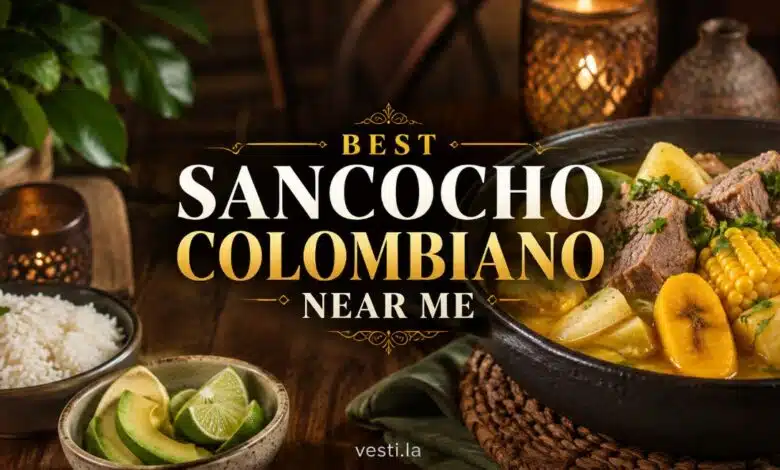
Looking for the best sancocho colombiano near you can lead to very different meals. One restaurant may serve beef ribs with yuca, corn and plantain every day; another may prepare sancocho de gallina only on weekends; another may offer a small chicken bowl for under $10; and a Colombian restaurant across town may serve a 24- or 32-ounce version with rice, salad and another side.
Location changes the picture just as much as the recipe. Miami and South Florida have enough Colombian restaurants to compare several styles in one metropolitan area, but they are not the only useful places to look. Current restaurant menus also show sancocho in Wichita, Chicago, Houston, Orlando, Pittsburgh and several New Jersey communities. Wichita is especially interesting because local search results can make the city look unusually important for this dish, and there is a real current menu behind that signal: Sabor Latin Bar & Grille lists both small and large sancocho.
The practical challenge is learning how to distinguish a genuinely useful local result from an old menu page, a different country’s sancocho, a weekend-only pot or a restaurant whose online ordering menu no longer matches the main website. This guide covers that entire decision: what Colombian sancocho is, regional variations, meat choices, current restaurant prices, actual published portion sizes, what usually comes with the soup, where to search in different U.S. cities, and what to check before driving across town for a bowl.
What current menus tell us about sancocho prices
Restaurant sancocho does not have one meaningful nationwide price because the products are too different. A small bowl, a large dinner serving, a weekday special and an oxtail meal with several sides should not be treated as the same purchase.
Current Sabor menu
Same current menu
Several Colombian restaurant examples
Published Houston examples
Among the menus checked for this guide, many standard Colombian restaurant servings fall somewhere in the mid-teens to around $20 before tax and tip. There are important exceptions on both sides. Wichita currently sits well below that range, while richer meats such as oxtail and larger composed meals can move into the twenties.
Those numbers become much more useful once portion and sides are added. A $12.95 soup with optional accompaniments is not the same value proposition as a $20 bowl that already includes rice, avocado and arepa. A 24-ounce oxtail stew is not directly comparable with an unspecified small chicken soup either.
Prices and availability referenced on this page were checked in August 2026. Restaurants can change menus, portion formats and prices, and delivery-platform pricing can differ from direct restaurant ordering.
Start with the words Colombian restaurants actually use
Searching only “sancocho near me” is a useful first pass, but the results can mix several cuisines. Sancocho belongs to multiple Latin American and Caribbean traditions, so Dominican, Puerto Rican, Colombian and other restaurants can appear together without the search engine technically making a mistake.
If Colombian sancocho is the target, add the cuisine and then search by protein. A restaurant may never write “best Colombian sancocho near me” anywhere on its website, but it may clearly list sancocho de res or sancocho de gallina on its menu.
The restaurant’s own current menu is usually the most useful next stop. Look under soups, lunch specials, weekend specials and daily specials. Colombian bakery-restaurants sometimes hide full hot-food menus behind a bakery label, so do not eliminate a place simply because maps categorize it as a bakery.
If one result looks promising, check whether the menu is current and whether the item is actually orderable. A dish can remain visible on an old indexed page after the kitchen stops serving it. The reverse can happen too: a main restaurant website may not mention a weekend soup that appears in the current ordering system.
When the restaurant is twenty or thirty minutes away, a phone call is still one of the most efficient tools available. Ask what sancocho is being served today, whether it is still available, what size it is and what comes with it.
Search the surrounding metro area too. Colombian restaurants often cluster in suburban commercial districts rather than the downtown core. The best nearby option may technically sit in another municipality while still being closer to your home than a restaurant carrying the central city’s name.
Vesti’s Find Food Near You section can also help when you want to expand the search beyond one dish and explore other local food categories.
Wichita, Kansas
Wichita is not just a strange search result
Wichita deserves a real section because people searching for this dish can see the city surface unusually often in local results. That would be easy to dismiss as search noise if there were no actual restaurant behind it. There is.
Sabor Latin Bar & Grille in Wichita currently lists sancocho on its published menu. The restaurant offers a small portion for $7 and a large portion for $9. The listed preparation contains fire-roasted chicken, plantain, corn, red pepper, garlic, cilantro and avocado.
There is an important distinction here. Sabor describes its food more broadly through South American and Latin American influences rather than presenting itself as an exclusively Colombian restaurant. Its sancocho is therefore a legitimate local sancocho lead, but it should not be mislabeled as proof that Wichita has a large Colombian restaurant scene or that this particular bowl represents one specific Colombian regional tradition.
For someone physically in Wichita, however, that distinction does not make the menu irrelevant. If the immediate question is “Where can I get sancocho nearby?” a current local bowl at $7 or $9 is highly useful information. If the question is narrower — for example, “Where can I find Colombian sancocho de costilla?” — then Sabor may not completely answer it, and the search should continue.
Wichita also provides a valuable price reality check. A $9 large sancocho is less than half the price of many current Colombian restaurant servings in Chicago, Houston and South Florida. That does not mean Wichita has “better value” automatically; the meat, quantity and side service may be different. It does show why a national guide built entirely around Miami pricing would give readers a distorted picture.
The ingredients are useful clues as well. Chicken, plantain and corn create a familiar sancocho structure, while avocado is already included in the published description. A diner who wants beef ribs or gallina should therefore know before arriving that the current Wichita option is taking a different route.
Colombian sancocho is a family of hearty soups and stews
Trying to define Colombian sancocho with one compulsory ingredient list creates confusion almost immediately. Colombia’s regional cooking traditions are too diverse for that.
At the broadest level, sancocho is a substantial soup or stew that brings a protein together with vegetables and starches in a deeply cooked broth. Beef, ribs, hen, chicken, pork, fish or multiple meats can form the protein base. Yuca, green plantain, corn and potatoes are common companions, but their exact combination changes from region to region and kitchen to kitchen.
Sancocho’s identity comes partly from the way those ingredients cook together. Meat and bones enrich the broth. Yuca releases starch and can slightly thicken the liquid. Green plantain adds body and a restrained sweetness. Corn contributes its own aroma. Potatoes can soften the broth further depending on the variety and cooking time.
The resulting bowl often sits somewhere between an American idea of “soup” and a complete meat-and-vegetable entrée. That distinction matters when ordering. A generous serving with rice and avocado can be enough for lunch without another main course.
Sancocho does not have to be perfectly clear. Starchy roots, meat proteins and long cooking naturally change the broth’s appearance. Some versions remain relatively loose and brothy; others become noticeably thicker. A rustic-looking pot can be excellent.
The most meaningful question is whether the broth tastes developed. It should feel as though the ingredients have spent time together, not as if individually cooked meat and vegetables were placed into hot salted water at the last minute.
The dish also has an important social dimension in Colombian cooking. Large pots naturally suit family gatherings and shared meals, and regional traditions connect sancocho with home cooking, weekends and communal eating. That context helps explain why restaurant availability often changes by day instead of behaving like a standardized fast-food menu item.
Regional traditions explain why the bowls do not all look alike
Colombia’s culinary geography includes mountains, tropical valleys, cattle regions, river systems, Caribbean communities and the Pacific coast. The country’s traditional cooking therefore changes substantially from place to place.
Sancocho follows that pattern. Different proteins, vegetables and cooking habits can all be legitimate parts of the broader Colombian tradition.
Sancocho de gallina
Valle del Cauca is particularly associated with sancocho de gallina, and Ginebra is well known for the tradition. Hen or chicken provides the central meat character while ingredients such as yuca, plantain, corn and potatoes create a substantial bowl.
If a Colombian restaurant describes a sancocho as valluno or specifically highlights gallina, that wording carries more information than simply “chicken soup.”
Sancocho de res
“Res” identifies beef but does not necessarily tell you the cut. Some kitchens use pieces selected for long cooking; others distinguish a separate rib version on the menu.
This is a practical first choice for diners who already enjoy beef stew and want an accessible introduction to sancocho.
Sancocho de costilla
Costilla means rib. The presence of bone, fat and connective tissue can produce a richer meat character and deeper broth after long cooking.
Rib meat should be tender enough to eat comfortably without becoming completely textureless. If you specifically want that experience, search “costilla” rather than assuming every beef sancocho uses ribs.
Sancocho de pescado
Fish-based sancocho reflects a different ingredient environment from inland cattle regions. It can still include plantain, yuca, potato and corn while creating a lighter, distinctly seafood-centered broth.
The correct comparison is not “Why is there no beef?” but whether the fish, broth and vegetables work together.
Sancocho trifásico
Mixed-meat sancocho can combine several proteins in one pot. The exact combination is not universal, so ask the restaurant what its trifásico contains.
These versions can be especially rich because several meats contribute flavor to the same broth.
Sancocho de cola
Oxtail adds a different combination of bone, meat and connective tissue. Long cooking can create an especially gelatinous and rich broth, but oxtail also tends to sit at the more expensive end of restaurant beef pricing.
Regional variation becomes even more layered after migration. A Colombian family can bring a recipe from one region to the United States, adapt it to ingredients available locally, and serve customers whose memories of sancocho come from another part of Colombia.
That is why two serious Colombian restaurants can produce noticeably different bowls without either one being fraudulent. The better question is which regional or family direction each kitchen is taking.
Choose your first bowl by protein, not by somebody else’s ranking
The easiest first sancocho is usually the one built around a protein you already enjoy.
Start with sancocho de costilla. The combination of bone, fat and connective tissue gives the meat a familiar slow-cooked character.
Sancocho de res is a straightforward choice. Ask what cut the restaurant is using if that matters to you.
Gallina or pollo will feel more familiar while still introducing yuca, plantain, corn and the heavier structure of sancocho.
Look for pescado where available. Fish shows how dramatically the dish can change while retaining the broader sancocho structure.
Ask about trifásico. Confirm the actual meats before ordering because the combination can vary.
Sancocho de cola can be a rewarding choice, but expect the price to reflect the meat.
For two diners, ordering two different versions often teaches you more than ordering the same bowl twice. Gallina and costilla create a clear poultry-versus-beef comparison. Res and costilla make the subtler difference between general beef and rib easier to notice.
What a realistic sancocho budget looks like in different cities
Current restaurant examples show a wide spread. That variation is useful because it reveals what actually drives price instead of pretending every menu item is interchangeable.
Wichita’s unusually low current example
Sabor lists a $7 small and $9 large chicken-based sancocho. This is a broadly Latin American restaurant rather than a Colombian-only kitchen, but the menu is a real local option.
Lower-priced Colombian restaurant territory
Current examples in northern New Jersey and Pittsburgh fall into this zone. Some are soup-only or have optional sides, so the apparent bargain should be compared with the full meal.
A common range in the menus checked
Miami costilla, Orlando gallina and costilla, Houston gallina and Chicago examples sit around this level depending on the menu and serving format.
Large servings, premium meats and more complete meals
Oxtail, larger measured portions and restaurant meals with multiple accompaniments can move beyond the twenty-dollar mark.
This makes the frequently asked question “How much should sancocho cost?” impossible to answer with one exact national number. A better working assumption is that many standard Colombian restaurant servings currently live somewhere around the mid-teens to low twenties, while individual cities and formats can sit well outside that band.
The meat matters. Oxtail can be much more expensive than chicken. Rib can carry a modest premium over general beef. Gallina and costilla can be almost identically priced at another restaurant.
The sides matter too. A bowl that includes rice, avocado and arepa may cost more but also replace an entire lunch plate. A cheaper soup that requires every accompaniment to be purchased separately can close the price gap quickly.
Ordering channel introduces another layer. A restaurant may set different prices for direct pickup and a delivery marketplace. Delivery fees, platform fees and tip can make the final delivered meal substantially more expensive than the number shown beside the soup.
Portion labels are inconsistent, but a few menus publish real ounces
One of the biggest weaknesses in restaurant sancocho menus is portion transparency. “Small,” “large” and “grande” tell you how the restaurant compares its own sizes, but they do not create an industry standard.
This is why assigning a universal number such as “small equals 16 ounces” would be misleading. Many menus simply do not publish enough information to support it.
Houston provides unusually useful examples. Mi Pueblito publishes a 24-ounce medium sancocho de cola and a 32-ounce large sancocho de gallina. Those are concrete serving measurements rather than vague adjectives.
No universal ounce standard.
Published Houston sancocho serving.
Published Houston hen sancocho.
The word alone does not provide volume.
Thirty-two fluid ounces is one quart before rice, salad or another side is counted. That immediately changes how you should plan a meal. Ordering a 32-ounce sancocho and a full bandeja paisa for one person may be unrealistic unless leftovers are the plan.
Smaller portions can be strategically useful when food exploration is the goal. If a restaurant offers a cup or small bowl, two people can compare more than one sancocho style without reaching the second stop already full.
When exact ounces are absent, ask whether the serving is intended as a starter or entrée. That question often produces a more useful answer than “Is the large really large?”
Where current U.S. menus make sancocho easiest to investigate
How current sancocho options compare by city
The menu examples below show why location, protein, portion and side service should be considered together. A lower price may mean a smaller serving or fewer accompaniments, while a higher-priced bowl may use a more expensive meat or arrive as a complete meal.
| City | Verified style | Price | Portion | Sides / included items | Availability |
|---|---|---|---|---|---|
| Wichita, KS | Chicken-based sancocho | $7 small $9 large | Small / large | Plantain, corn, red pepper, garlic, cilantro and avocado are listed in the preparation. | Current Sabor menu listing; confirm before a special trip. |
| Houston, TX | Sancocho de gallina | $20.40 large | 32 oz | Rice, salad and one choice of sweet plantain, fried plantain or corn patty. | Current Mi Pueblito ordering menu. |
| Houston, TX | Sancocho de cola | $28.10 medium | 24 oz | Plantain, yuca, potato and corn in the stew; rice, salad and one additional side. | Current Mi Pueblito ordering menu. |
| Chicago, IL | Sancocho de gallina | About $19 | Restaurant entrée | Rice and arepa; soup includes potatoes, cassava, green plantain and corn. | Listed on the current Pueblito Viejo Colombian menu. |
| Chicago, IL | Sancocho de costilla | About $20 | Restaurant entrée | Rice and arepa; beef-rib version with potatoes, cassava, green plantain and corn. | Listed on the current Pueblito Viejo Colombian menu. |
| Miami, FL | Sancocho de costilla | About $16.50 | Restaurant serving | White rice. | Menu-listed item; check same-day availability before a long drive. |
| Orlando, FL | Gallina / costilla / trifásico | About $17.99–$18.99 | Restaurant serving | Varies by selected sancocho. | Menu-listed styles can be temporarily unavailable; verify before visiting. |
| Pittsburgh, PA | Sancocho de la Casa | $14.50 | Restaurant serving | House preparation; current menu does not provide an ounce measurement in the listing. | Current The Colombian Spot menu listing. |
| Englewood, NJ | Sancocho de carne | About $12.95 | Restaurant soup | Rice with salad or sweet plantain may be available as an additional side combination. | Can appear out of stock; check the current ordering menu. |
| Elizabeth, NJ | Gallina / espinazo / cola / mixed-meat specials | About $15+ | Weekend-special format | Depends on the weekend preparation. | Weekend-oriented; same-day confirmation is useful. |
These prices are useful as current restaurant examples rather than a fixed national price list. Portions, meat cuts, side service and ordering channels differ, so the cheapest menu line is not automatically the best value.
Colombian sancocho is available far beyond one or two famous Colombian neighborhoods. The strongest cities differ in what they offer: some provide sheer restaurant density, while others stand out because a menu publishes unusually useful information about sizes, proteins or prices.
Wichita
A current local Latin American menu gives the city a real sancocho result rather than a purely algorithmic one. The $7/$9 pricing is also a useful counterpoint to larger-market restaurant prices.
Miami & South Florida
Restaurant density makes the region valuable for comparing costilla, beef, gallina and different service formats across several Colombian kitchens.
Houston
Particularly useful for exact portion information, including published 24- and 32-ounce sancocho examples.
Chicago
Current Colombian restaurant menus clearly distinguish gallina and costilla, allowing an unusually straightforward side-by-side comparison.
Englewood, Lodi & Elizabeth
Several Colombian restaurants within the wider New York metro make northern New Jersey especially useful for comparing styles and weekend specials.
Orlando
Current menu evidence includes gallina, costilla and trifásico as separate restaurant options.
Pittsburgh
A current Colombian restaurant listing shows that the dish is not limited to the largest Colombian metropolitan areas.
Queens, Westchester & nearby areas
The search should extend beyond Manhattan because Colombian communities and restaurants are distributed across the wider metropolitan region.
Miami & South Florida
Miami remains one of the best places to compare several Colombian styles
Miami deserves a substantial place in the guide, but not because every U.S. sancocho search should become a Florida article. Its value comes from restaurant depth.
South Florida’s Colombian food scene extends well beyond downtown Miami. Kendall, Doral, West Miami, Hialeah, Weston, Pembroke Pines and other communities can produce different restaurant sets, and the driving distance between them can be substantial.
Current menu evidence includes beef-rib sancocho in the mid-teens as well as other Colombian restaurant versions moving into the high teens and low twenties depending on meat, portion and sides.
La Estacion Cafe, for example, lists sancocho de costilla with white rice. Other South Florida restaurants present weekend-only sancocho, gallina, general beef or large rib portions. That variety makes the region useful when you want to compare specific styles rather than simply locate one bowl.
The first practical decision is geography. Two restaurants described online as “Miami” can be far apart in real traffic. Pick a district first, then identify which styles are available within a reasonable radius.
The second decision is portion. If your plan is to compare two restaurants on the same day, ordering two complete large meals defeats the purpose quickly. Smaller portions or splitting one bowl at each stop is more realistic.
The third decision is day. Weekend sancocho can create a very different restaurant landscape from a Tuesday lunch search.
For broader restaurant planning around the region, Vesti’s Miami & South Florida Food Guide can help connect the sancocho stop with other nearby food options.
Houston, Texas
Houston is unusually useful when you care about exact portion size
Houston’s biggest advantage for this search is not simply the number of Colombian restaurants. It is the amount of quantitative information visible on current menus.
Mi Pueblito publishes sancocho sizes in ounces. Its current menu includes a 24-ounce medium oxtail sancocho with plantain, yuca, potato and corn, served with rice, salad and another selected accompaniment. The same menu offers a 32-ounce large hen sancocho.
This creates a useful lesson about price. The smaller oxtail portion can cost more than a larger hen portion because volume is only one part of the meal. Protein matters.
Oxtail · rice · salad · additional side
Hen · rice · salad · additional side
Parrilla Colombiana provides another gallina example in Houston and allows diners to select accompaniments. This is useful because it reveals how much the side structure can differ even within one city.
Someone searching Houston should therefore compare three things at once: protein, ounces and included sides. Looking only at the number beside the dollar sign throws away some of the best information these menus provide.
Chicago, Illinois
Chicago makes the gallina-versus-costilla decision unusually clear
Pueblito Viejo’s Colombian menu is useful because it presents gallina and beef-rib sancocho as distinct choices rather than hiding everything under one generic soup label.
The versions share the familiar structure of potatoes, cassava, green plantain and corn and are served with Colombian-style accompaniments such as rice and arepa. The key decision is therefore the meat.
Choose it when the regional hen tradition appeals more.
Choose it for richer beef and bone-in meat.
When two versions are priced close together, the tiny price difference is much less important than the flavor difference. This is one of the clearest examples of why “buy the more expensive one” is a poor ordering strategy.
Chicago also reminds diners to check restaurant days and hours before traveling. A restaurant can have a current menu while operating a schedule that differs sharply across the week.
Northern New Jersey & the New York metro
New Jersey gives sancocho hunters several Colombian kitchens within one region
Northern New Jersey is one of the more interesting areas for Colombian food because the search is not dependent on one isolated restaurant.
In Englewood, Noches de Colombia currently maintains a dedicated sancocho de carne section in its ordering menu. The item has recently appeared around the low-teens price point, although same-day availability can change and the menu can mark it out of stock.
In Lodi, Colombian restaurant menus add more opportunities to compare beef and chicken directions. Elizabeth contributes another pattern: weekend-special menus with several sancocho variations instead of one permanent daily version.
That density changes the strategy. In Wichita, the practical goal may be simply finding the local bowl. In northern New Jersey, the goal can be choosing between several Colombian restaurants and different meats.
Useful for a straightforward beef-sancocho search and bakery-plus-restaurant format.
Another Colombian restaurant cluster where meat choice can vary.
Weekend menus can broaden the options to gallina, mixed meat and other styles.
New York City diners should therefore avoid thinking only in borough terms. North Jersey and Westchester can be part of a realistic food radius depending on where in the metro area you live.
Orlando, Florida
Orlando shows why current availability matters as much as menu variety
Bandeja Paisa Restaurant provides a good example of menu variety because current listings distinguish between sancocho de gallina, sancocho de costilla and sancocho trifásico.
The prices sit close enough together that meat preference matters more than searching for the cheapest line.
The more important lesson is availability. Individual sancocho items can temporarily appear unavailable even while they remain part of the restaurant’s normal menu structure.
That is why a diner making a special trip should verify the day’s pot rather than relying on the existence of an indexed menu page.
Pittsburgh, Pennsylvania
Pittsburgh proves this search is not limited to giant Colombian food markets
The Colombian Spot currently lists Sancocho de la Casa among its restaurant dishes. That makes Pittsburgh a useful example of a city where the Colombian food scene may be smaller than Miami or North Jersey but still offers a direct answer to the local search.
The restaurant’s current sancocho sits in the mid-teens, placing it below many larger-market examples but above Wichita’s unusually inexpensive Latin American bowl.
This is exactly why city diversity improves a national guide. Someone in Pittsburgh should not have to read several thousand words about Florida before learning that a current Colombian sancocho exists in their own city.
What separates a satisfying sancocho from a bowl that is merely large
Sancocho is not a plating competition. The most important signals are broth development, meat tenderness and the texture of the roots and vegetables.
The broth tastes complete before you add anything
Take several spoonfuls before adding lime, rice or ají. Meat, vegetables and aromatics should feel integrated rather than isolated.
The meat makes sense for long cooking
Beef ribs and oxtail should have softened connective tissue. Hen or chicken should contribute flavor without becoming unpleasantly dry.
The yuca is tender
Hard or aggressively fibrous yuca makes a large portion less enjoyable. Properly cooked pieces should yield easily while remaining recognizable.
The plantain supports the broth
Green plantain can add body and restrained sweetness. It should not make the pot taste sugary.
The corn still has character
Corn contributes sweetness, aroma and texture. It should be cooked through without becoming completely anonymous.
The sides are additions, not repairs
Rice, avocado, lime and ají should let you change an already good bowl. They should not be required to create flavor.
Do not judge quality by broth transparency. Yuca and potatoes release starch. Meat and bones release proteins, gelatin and fat. Long cooking naturally produces different levels of cloudiness.
Thickness is not a universal authenticity test either. A lighter broth can be excellent if it has depth, while a thicker one can be satisfying if the starch remains balanced.
Portion size is similarly unreliable as a quality signal. A huge bowl can be impressive and still contain tough meat. A smaller bowl can be much more carefully cooked.
Clear broth versus cloudy broth is the wrong argument
Diners accustomed to clarified soups sometimes read cloudiness as poor technique. That assumption does not transfer neatly to sancocho.
Starchy vegetables interact with the liquid during long cooking. Some pieces partially break down. Plantain and yuca can alter both color and body. Bone-in meat can release gelatin and fat.
A lighter broth may highlight herbs, meat and corn more clearly. A thicker broth may feel richer and coat the spoon. Both approaches can work.
What should concern you is not opacity but imbalance: excessive grease floating without integration, raw-tasting starch, flat seasoning or ingredients that seem unrelated to the liquid around them.
Rice and avocado can turn a soup order into a complete lunch
One reason sancocho prices are difficult to compare is that restaurants package the meal differently.
White rice is perhaps the most common accompaniment. Add it gradually and the broth becomes thicker and more filling. Dump the entire serving into the soup immediately and the original texture disappears before you have tasted it.
Avocado does almost the opposite. Its cool fat and soft texture contrast with the hot broth, fibrous meat and dense roots.
Adds body and turns the meal heavier.
Provides cool richness and contrast.
Adds another starch and makes a large portion even more substantial.
Can provide freshness beside rich meat and broth.
Adds acidity after you have tasted the broth.
Lets each diner control heat and additional acidity.
Restaurant examples show all of these formats in practice. Some sancocho meals include rice automatically. Others include rice and avocado. Some include rice, salad and another side. A lower menu price can therefore stop looking cheaper after accompaniments are added.
Before ordering a second entrée, ask what arrives with the soup. A 24- or 32-ounce sancocho with rice and multiple sides can already be a very large meal.
Why weekend sancocho changes the local search
Sancocho rewards batch cooking. Meat needs time to soften, roots need time in the broth and large pots make sense when the restaurant can predict demand.
That helps explain why some Colombian restaurants reserve sancocho for weekends or specific lunch days.
A search engine can know that a restaurant “serves sancocho” without understanding whether the next pot appears Saturday morning or whether today’s batch sold out at 2 p.m.
Current menu structures reinforce this pattern. Some restaurants explicitly label the dish weekend-only. Others group several sancocho varieties under weekend specials. A different kitchen may feature costilla on one weekday lunch menu.
This creates an important distinction between permanent menu identity and same-day availability. A restaurant can genuinely be known for sancocho while having none available when you arrive.
A Colombian bakery may be a better lead than a formal dinner restaurant
In many U.S. Colombian communities, “bakery” does not mean a business that sells bread and closes before lunch.
Colombian bakery-restaurants often serve breakfast plates, empanadas, pandebono, coffee, hot lunches, grilled meats and soups from the same location.
That makes them especially important when searching for daily or weekend sancocho. A map category can hide the fact that the business functions as a full neighborhood cafeteria.
Search both English and Spanish terms. “Colombian bakery,” “panadería colombiana,” “cafeteria colombiana” and the exact sancocho name can uncover places that a generic restaurant query misses.
The bakery format also works well for diners who want to combine a bowl of soup with a smaller item rather than another heavy main course. An empanada, pandebono or arepa can add a different texture without making lunch impossible to finish.
Sancocho or ajiaco? The answer depends on the craving
These two Colombian soups can appear on the same menu, but they should not be treated as interchangeable.
More variation in protein and regional style
Beef, ribs, gallina, chicken, fish, oxtail and mixed-meat versions are all possible. Yuca and plantain are common signals, though exact recipes vary.
A more specific Bogotá-associated soup tradition
Chicken, potatoes and guascas create a different flavor and texture, traditionally accompanied by ingredients such as avocado, capers and cream.
If the craving is for beef ribs, large root vegetables, plantain and corn in a deeply cooked broth, sancocho is probably closer to the target.
If chicken, potatoes and the herbal character of guascas sound more appealing, choose ajiaco.
Two diners can learn a lot by ordering one of each and sharing. The contrast demonstrates how broad Colombian soup culture is without forcing one dish into competition with the other.
Gallina is not simply the cheaper version of costilla
Menus sometimes place gallina and costilla next to each other with only a small price difference. That can tempt diners to interpret the more expensive beef-rib version as the premium choice.
The better way to think about it is flavor. Gallina represents a different culinary direction, particularly important in Valle del Cauca traditions. Costilla brings beef, bone and connective tissue.
A one- or two-dollar difference is small compared with the difference between poultry and beef.
Order gallina because you want gallina, not because you are trying to save a dollar. Order costilla because rib is the experience you came for, not because the higher price proves it is superior.
Oxtail deserves its own price expectations
Sancocho de cola can sit well above standard chicken or beef-soup pricing.
Oxtail contains a large proportion of bone and connective tissue relative to edible meat, yet it has become an expensive restaurant ingredient in many U.S. markets. Slow cooking can turn that structure into a rich, gelatinous eating experience.
A current Houston example shows why meat type needs to stay visible in any price comparison. A 24-ounce oxtail sancocho can cost more than a 32-ounce hen version from the same restaurant.
That is not a contradiction. It is evidence that price per ounce is incomplete when the proteins are different.
Three questions prevent most disappointing sancocho orders
Which version is being served?
Res, costilla, gallina, pollo, pescado, cola or mixed meat can produce very different meals.
How large is it?
Small, large, grande, lunch special, 24 ounces and 32 ounces are not equivalent.
What comes with it?
Rice, avocado, arepa and salad can turn a bowl into a full lunch.
Once the food arrives, resist the urge to modify it immediately. Taste two or three spoonfuls of broth first.
Next, try the meat. A rib version should show the benefits of long cooking. Gallina should contribute more than just neutral chicken fibers. Oxtail should be tender and rich.
Then taste the yuca and plantain. They tell you a great deal about cooking time and how carefully the kitchen handled the pot.
Add a small amount of rice after that. Taste again. You will notice how much the extra starch changes each spoonful.
Avocado can be eaten separately or added piece by piece. Lime and ají should come later, once you understand the broth’s original acidity and seasoning.
If you want another Colombian item on the table, a smaller dish often makes more sense than a second huge entrée. Vesti’s arepas guide can help if several corn-cake styles on the menu are unfamiliar.
Is Colombian sancocho spicy?
Usually the main flavor is savory and aromatic rather than aggressively chile-hot.
Garlic, onion, cilantro, meat, corn, plantain and long cooking can create a complex broth without requiring high heat.
Ají commonly appears on the side, which makes sense for a communal dish. One large pot can remain balanced while individual diners decide how much heat and acidity belongs in their own bowl.
Restaurants season differently, so anyone extremely sensitive to chile should still ask. But there is no reason to assume that ordering sancocho automatically means ordering a hot-spicy soup.
Sancocho can travel well if the packaging respects the meal
Sancocho has an advantage over fried food when it comes to takeout: its identity does not depend on a crisp exterior that disappears in a steamy container.
The challenge is managing a substantial amount of hot liquid safely.
Needs a strong, leak-resistant container kept upright.
Best kept separate so it does not absorb the broth during the drive.
Should stay separate from prolonged heat.
Add after reheating rather than cooking them into leftovers.
Larger portions deserve extra care. A 32-ounce container contains a substantial amount of liquid before the meat and vegetables are considered.
Delivery menus may also differ from dine-in menus. Some weekend soups never appear in delivery apps. In other cases, an old platform listing remains searchable after availability changes.
Compare the restaurant’s direct ordering page with the delivery platform when possible. The direct menu can provide clearer availability and avoid some marketplace price distortion.
Dietary restrictions require more than reading the protein name
A menu title such as “sancocho de pollo” identifies the central meat. It does not prove that every ingredient in the stock or seasoning is chicken-only.
Bouillon, stock bases and shared cooking equipment can matter for allergies, intolerances and religious dietary requirements.
The same caution applies to gluten. Yuca, plantain, potato and corn are not wheat, but the full restaurant recipe may include commercial seasoning products or encounter cross-contact in the kitchen.
Fish sancocho requires similar care for people with seafood allergies because a kitchen may handle shellfish.
Beef being listed does not automatically establish halal or kosher preparation. Sourcing and kitchen practice matter in addition to the species of meat.
Colombian sancocho is not the only sancocho worth respecting
A broad local search may return Dominican, Puerto Rican, Panamanian or other sancocho traditions.
Those results are not automatically wrong. The dish name crosses national borders, and different culinary traditions have developed their own versions.
If the goal is specifically Colombian, confirm the restaurant’s cuisine and menu language. Adding “Colombian” or “colombiano” to the search can reduce the ambiguity.
If the larger goal is learning about sancocho itself, comparing different national traditions can become a more interesting project than trying to force them into one recipe.
What if the restaurant website and ordering menu disagree?
This happens frequently enough that the contradiction should be treated as a signal to verify.
A restaurant’s main site may describe signature dishes that are not available every day. A direct ordering system may display only what can be purchased at that moment. Delivery platforms can carry a smaller menu than dine-in.
Weekend sancocho may disappear completely from Tuesday online ordering. The opposite can happen too: an old ordering page remains visible in search after the kitchen changes its menu.
When the restaurant is nearby, the risk is small. When you are planning a thirty-mile drive specifically for one soup, call.
How far should you drive for sancocho?
Mileage alone is not a good measure in large metropolitan areas. Ten miles through Miami traffic may take longer than twenty miles elsewhere.
The rarer the version, the more reasonable a longer drive becomes. A general chicken sancocho may not justify crossing an entire metro if a similar local option exists. A particular gallina, trifásico or oxtail version can be different if that is exactly what you want.
Same-day verification becomes more important as distance increases. The cost of discovering that the pot sold out is much higher after forty minutes of driving than after five.
Check current traffic, current availability and the serving format before committing to a long trip.
How to compare two restaurants without pretending there is one universal winner
The fairest comparison uses the same or similar style. Comparing fish sancocho with beef-rib sancocho mostly reveals that fish and beef taste different.
Depth, seasoning and integration.
Tenderness appropriate to the cut.
Soft without unpleasant fibers.
Balanced sweetness and texture.
Cooked through but still recognizable.
Useful additions rather than compensation.
Appropriate for how the menu presents the meal.
Price considered together with meat, size and accompaniments.
General restaurant star ratings are secondary. Parking complaints, slow delivery, cocktails and unrelated entrées can all influence the average score.
Search reviews for the word “sancocho.” Repeated recent comments about meat tenderness, broth, portion size and availability are much more relevant than the overall rating alone.
A first visit is easier when you do not try to order the whole Colombian menu
Sancocho already contains meat, vegetables and starch. A full serving can become even heavier once rice, avocado and arepa arrive.
Find out today’s version
Do not assume every soup printed online is available simultaneously.
Choose the protein you genuinely want
Costilla for ribs, res for beef, gallina for poultry, pescado for fish, cola for oxtail.
Check what the price includes
Rice, avocado, salad and arepa can dramatically change the size of the meal.
Taste the broth before modifying it
Then add rice, lime or ají gradually.
Leave room to understand the dish
A large sancocho does not require another massive entrée beside it.
For two people, two different sancocho styles can be a better meal than two identical bowls. Share, compare and decide which direction you prefer.
What to order with sancocho when you still want to explore the menu
The best companion is usually something smaller or texturally different.
An empanada provides crispness. An arepa can work like a bread component. Pandebono adds a chewy, cheesy bakery texture. A small serving of chicharrón can be shared if you want something richer.
Ordering a full bandeja paisa beside a large sancocho makes sense for a group, but it can easily be too much food for one person.
Sharing is particularly useful when visiting a Colombian restaurant for the first time. One large sancocho, several small snacks and another regional dish can reveal more about the kitchen than everyone ordering the same combination.
What “best sancocho colombiano near me” should mean in practice
“Best” is only useful after you define what you value.
In Wichita, the best practical answer may be the strongest currently verified local option, even though the restaurant is broadly Latin American rather than Colombian-only.
In Miami, “best” might mean the restaurant serving the costilla style you prefer within a manageable drive.
In Houston, it may mean a restaurant that publishes enough information for you to choose between a 24-ounce and 32-ounce meal with confidence.
In Chicago, it can mean deciding whether gallina or costilla sounds better when both are available from the same Colombian kitchen.
In northern New Jersey, restaurant density gives you enough choices to compare several Colombian kitchens instead of settling for the first result.
For a first-time diner, “best” may simply mean a well-developed broth, properly tender meat, good yuca and a portion that makes sense for the price.
Colombian sancocho across the U.S.
Find the style you want before deciding which restaurant deserves the drive
Start with the cuisine and protein rather than one generic “soup near me” search. Costilla, res, gallina, pollo, pescado, cola and trifásico lead to very different bowls.
Use current menus to understand price and portion. Wichita currently provides an unusually inexpensive local example at $7 small and $9 large. Many Colombian restaurant servings checked in other cities occupy roughly the mid-teens to low twenties, while larger measured portions and premium meats can cost more.
Where exact ounces are available, use them. Houston’s published 24- and 32-ounce examples show how much information the word “large” normally hides.
Check included sides before judging value. Rice, avocado, arepa and salad can turn one bowl into an entire meal.
Finally, allow Colombian sancocho to be regional. Beef ribs, gallina, fish, oxtail and mixed-meat pots do not need to taste identical. The most useful local search is the one that helps you find the version you actually want and confirms that the kitchen is serving it today.
Where can I find Colombian sancocho near me?
Search Colombian restaurants, bakery-restaurants and neighborhood cafeterias using terms such as sancocho colombiano, sancocho de res, sancocho de costilla and sancocho de gallina. Search the wider metropolitan area and confirm same-day availability when the soup is a weekend special or limited batch.
Can I find sancocho in Wichita, Kansas?
Yes. Sabor Latin Bar & Grille in Wichita currently lists small and large sancocho. The restaurant presents a broader Latin and South American identity rather than being Colombian-only, so it is best understood as a verified local sancocho option rather than a specifically Colombian regional restaurant.
How much is sancocho in Wichita?
The current published Sabor Latin Bar & Grille menu lists sancocho at $7 for a small serving and $9 for a large serving. The menu describes fire-roasted chicken, plantain, corn, red pepper, garlic, cilantro and avocado. Restaurant prices can change.
How much does Colombian sancocho usually cost at a restaurant?
Prices vary substantially by city, protein, portion and included sides. Many current Colombian restaurant examples checked for this guide fall roughly in the mid-teens to low twenties before tax and tip. Smaller specials can cost less, while oxtail, large servings and more complete meals can cost more.
What size is a typical restaurant portion of sancocho?
There is no national restaurant standard. Menus may use small, large, grande or lunch-special labels without publishing ounces. Some current Houston menus are more specific, including 24-ounce and 32-ounce sancocho servings. Always check whether rice, avocado, salad or other sides are included.
What is the difference between sancocho de res and sancocho de costilla?
Sancocho de res is a general beef-based version, while sancocho de costilla specifically uses beef ribs or rib-style pieces. Rib can add bone, fat and connective tissue that create a richer texture after long cooking.
What is sancocho de gallina?
Sancocho de gallina is a poultry-centered version with important Colombian regional traditions, particularly in Valle del Cauca. It may include yuca, plantain, corn, potatoes and other ingredients depending on the kitchen.
Which U.S. cities currently have sancocho options?
Current restaurant menus checked for this guide show sancocho in Wichita, Miami and South Florida, Houston, Chicago, Orlando, Pittsburgh and several New Jersey communities. The wider New York metropolitan area also has established Colombian restaurants where sancocho can be found.
Is Colombian sancocho served every day?
Not always. Some restaurants serve it regularly, while others prepare it only on weekends, on particular weekdays or until a batch sells out. If sancocho is the main reason for a long trip, confirm availability before leaving.
What usually comes with Colombian sancocho?
White rice and avocado are common accompaniments. Depending on the restaurant, the meal may also include arepa, salad, plantain, lime or ají. Included sides can make one sancocho serving a complete lunch.
Is Colombian sancocho spicy?
Usually the main flavor is savory and aromatic rather than strongly chile-hot. Ají is often served separately so each diner can control the heat and acidity. Restaurant seasoning still varies.
Is sancocho good for takeout and delivery?
Yes. Sancocho generally travels well when the hot soup is sealed securely and rice, avocado, lime and cold garnishes remain separate. Large servings can be heavy, so the container should stay upright. Delivery prices can differ from direct restaurant pricing.


