
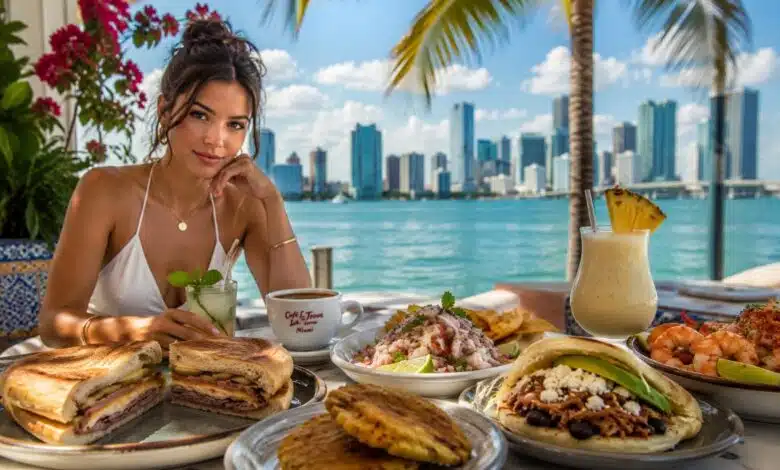
Vesti Food Atlas · City Guide
Miami and South Florida are easiest to understand through neighborhoods, migration histories and the kinds of places people use every day: ventanitas, bakeries, seafood counters, family restaurants, markets, food halls and waterside dining rooms. This guide helps you choose where to go and what to order without reducing the region to one sandwich, one beach or one expensive dinner.
Miami and South Florida food is shaped by Cuban, Haitian, Caribbean, Venezuelan, Colombian, Peruvian, Argentine, Brazilian, Jewish, Eastern European and coastal Florida traditions. Little Havana is central for Cuban food, Little Haiti for Haitian and Caribbean cooking, Doral for Venezuelan and wider South American dining, Miami Beach for hotel restaurants and international menus, and Broward County for waterfront dining, multicultural neighborhoods and specialty markets.
Use Miami like a food map, not a restaurant checklist
The most useful Miami food plan starts with a neighborhood and a craving, not with an enormous ranking. The region is spread out, traffic can turn a short distance into a long transfer, and two restaurants described as “Miami” may sit far apart. A Cuban breakfast in Little Havana, ceviche in Doral and dinner in Fort Lauderdale can be a rewarding day, but it is not a casual walking route.
Choose one geographic zone for each half-day. Within that zone, combine one destination meal with one lower-commitment stop: a bakery, coffee window, fruit stand, market or dessert counter. This gives you contrast without requiring three full restaurant meals.
Culture-first route
Little Havana or Little Haiti, followed by a market, bakery or cultural stop in the same neighborhood.
Beach-first route
Miami Beach breakfast or lunch, then seafood, café food or an early dinner near the water.
Local-family route
Doral, Hialeah, Kendall, Hollywood or Hallandale for restaurants, bakeries and prepared-food markets used by residents.
Miami rewards flexibility. A place may be famous for one dish but more useful for another reason: early hours, counter service, a large bakery case, family portions, accessible parking or a menu that works for a mixed group. The goal is not to collect the maximum number of famous names. It is to understand how South Florida eats.
What gives Miami and South Florida their food identity
The region’s food identity comes from movement: people, ingredients, languages and restaurant formats crossing borders and settling into new neighborhoods. Cuban food is foundational to how Miami eats, especially in breakfast counters, coffee windows, bakeries, sandwiches, family restaurants and cafeteria-style meals. But Cuban food is not the whole story.
Haitian cooking is deeply tied to Little Haiti and communities across Miami-Dade and Broward. Venezuelan and Colombian restaurants shape Doral, Weston, Kendall, Pembroke Pines and other suburban food corridors. Peruvian cevicherías, Argentine grills, Brazilian bakeries, Jamaican kitchens, Bahamian seafood traditions, Jewish delis, Eastern European markets and modern chef-driven restaurants all belong to the larger map.
South Florida also has a coastal identity. Stone crab, local and imported seafood, conch preparations, fish sandwiches, raw bars and waterfront restaurants appear across price levels. The climate affects when and how people eat: iced coffee, fruit drinks, late dinners, shaded patios, quick counter meals and strong takeout cultures are normal parts of the experience.
Miami food neighborhoods and what each one does well
Little Havana and Calle Ocho
Little Havana is the clearest starting point for understanding Cuban Miami. Calle Ocho brings together restaurants, cafeterias, bakeries, ventanitas, juice counters, bars, music venues and cultural landmarks. The experience is not limited to a formal lunch. A useful visit may begin with café cubano and a pastelito, continue with a sandwich or plate lunch, and end with ice cream, fruit juice or a small snack.
Look beyond the single phrase “Cuban sandwich.” Menus may include ropa vieja, vaca frita, picadillo, lechón, arroz con pollo, croquetas, empanadas, yuca, black beans, white rice, maduros and pressed sandwiches. Breakfast can be especially practical because many Cuban-style cafeterias open early and serve combinations that are quick, filling and easier to order than a large dinner.
Calle Ocho is walkable in sections, but not every worthwhile food stop sits on one compact block. Decide whether your priority is a cultural walk, a particular restaurant or a bakery-and-coffee crawl. Parking conditions and event days can change the pace.
Little Haiti
Little Haiti offers a different Caribbean food language. Haitian dishes often balance deeply seasoned meats, rice, beans, plantains, pikliz, stews and sauces. Griot—fried or braised-and-fried pork served with spicy pickled vegetables—is one of the most recognizable orders, but it should not become the only dish visitors know.
Look for tassot, legume, diri ak djon djon, chicken stew, fried plantains, patties and seafood dishes. Some businesses function as restaurants, while others feel more like takeout kitchens, bakeries or community counters. Portions, service style and daily availability can vary, so asking what is ready now is often more useful than reading an old menu photo.
The Caribbean Marketplace at the Little Haiti Cultural Complex is an important cultural landmark and a useful reminder that food discovery here is connected to music, art, language and neighborhood history. Treat the area as a living community, not a themed attraction.
Doral
Doral has become one of the region’s strongest areas for Venezuelan food and broader South American dining. The official Miami tourism site describes the city as having a sizable Venezuelan population and highlights its cuisine as part of Doral’s identity. In practice, that means areperas, bakeries, cafés, grills, seafood restaurants, dessert shops and family restaurants can all appear within a relatively suburban landscape.
Arepas are an obvious starting point, but the menu may also include cachapas, tequeños, empanadas, pabellón criollo, shredded beef, grilled meats, soups and large breakfast plates. Colombian, Peruvian, Argentine, Spanish and international restaurants are also well represented.
Doral works best when you have a car and a specific destination. Unlike a compact historic district, the food scene is distributed among shopping centers, commercial areas and mixed-use developments. Build the trip around one main restaurant and add a bakery or coffee stop nearby.
Wynwood, Midtown and the Design District
These neighboring areas are more useful for contemporary restaurant discovery than for one single heritage cuisine. You will find chef-driven concepts, bars, food halls, coffee shops, bakeries, tasting menus, casual counters and restaurants designed around social evenings.
Wynwood can be busy and event-oriented. It works well for groups that want several options within a lively district, but it may be less useful when the goal is a quiet traditional meal. Midtown and the Design District range from casual cafés to expensive dining rooms. Read the menu before going: atmosphere and price can vary sharply within a small radius.
This zone is also where modern Miami often recombines influences—Latin American ingredients, Caribbean flavors, Japanese techniques, Mediterranean menus and American restaurant formats. Fusion can be thoughtful or superficial; menu specificity is a better clue than décor.
South Beach, Mid-Beach and North Beach
Miami Beach is not one food neighborhood. South Beach concentrates tourism, nightlife, hotels and high-visibility restaurants. Mid-Beach is strongly connected to resort dining, while North Beach can feel more residential and often offers a different balance of casual restaurants, bakeries and neighborhood service.
Beach dining costs more when the view, hotel location or entertainment district is part of the purchase. That does not automatically make it poor value, but it means you should know what you are paying for. A waterfront table and a serious food destination are sometimes the same place and sometimes not.
Use Miami Beach for breakfast cafés, seafood, hotel dining, international menus, late-night meals and a day when food needs to fit around the beach. Check dress expectations, parking costs, service charges and reservation rules before choosing an expensive dinner.
Hialeah and West Miami-Dade
Hialeah and surrounding areas offer a more everyday view of Cuban and Latin American food than the heavily visited parts of Miami. Bakeries, cafeterias, lunch counters and family restaurants are often oriented toward regular local use rather than tourism.
This is a strong zone for breakfast, bakery cases, inexpensive coffee, sandwiches, prepared meals and large portions. Spanish may be the default language in some businesses, but ordering is usually manageable when you point, ask what is popular or use the dish name.
The trade-off is geographic convenience. These areas are car-oriented, and a restaurant that looks close on a regional map may require a longer drive than expected. The reward is access to places built around repeat customers.
Brickell, Downtown Miami and Coconut Grove
Brickell and Downtown are useful for business lunches, polished restaurants, rooftop dining, hotel restaurants and evening reservations. Coconut Grove has its own pace: leafy streets, brunch, cafés, waterfront access and a mixture of established and newer restaurants.
These areas are not the first choice for a heritage-food crawl, but they are practical for mixed groups, travelers without cars and diners who want service, cocktails and a comfortable reservation. Prices generally rise with location and setting.
Downtown food halls and waterfront complexes can work well when a group cannot agree on one cuisine. They also reduce ordering pressure for families, although quality can vary by vendor.
South Florida continues well beyond central Miami
A city guide labeled “Miami and South Florida” should not stop at the Miami city limits. Broward County, southern Palm Beach County and communities between Miami and Fort Lauderdale hold major dining corridors, immigrant food businesses, waterfront restaurants and specialty markets. The region functions as a connected metropolitan area, but local travel times remain significant.
Hollywood and Hallandale Beach
These cities connect Miami-Dade and Broward and are useful for Latin American, Caribbean, Jewish, Russian, Ukrainian, Georgian and wider Eastern European food. Look for bakeries, delis, markets, prepared-food counters and casual family restaurants. The Russian food discovery guide explains how restaurants, delis and markets differ when searching this part of South Florida.
Fort Lauderdale
Fort Lauderdale combines waterfront dining, hotel restaurants, seafood, brunch, chef-driven restaurants and international cuisines. Las Olas and the beach are visible destinations, but Greater Fort Lauderdale extends across many municipalities and neighborhood corridors.
Weston, Pembroke Pines and western Broward
These suburban areas have substantial Venezuelan, Colombian and wider Latin American food communities. Shopping-center restaurants and bakeries can be more important than a walkable dining district. Parking is usually easier, but destinations are spread out.
Boca Raton and southern Palm Beach County
This area adds polished dining, Jewish food traditions, international restaurants, seafood and specialty markets. It can be included in a South Florida trip, but combining Boca Raton with central Miami in one meal window is rarely efficient.
For a short visit, choose either Miami-Dade or Broward as your primary base. For a longer stay, treat each county as a separate chapter rather than commuting repeatedly for every meal.
Dishes and food formats worth recognizing
No list can represent every community in South Florida, but the following dishes help decode menus and choose a direction. They are not all unique to Miami; their importance comes from how strongly they appear in the region’s daily food life.
| Dish or format | What it is | Where it often appears | Ordering note |
|---|---|---|---|
| Cafecito | Small, sweet Cuban espresso, often served from a walk-up window. | Cuban bakeries, cafeterias and ventanitas. | It is concentrated and sweet; a colada is meant to be shared in small cups. |
| Pastelitos | Flaky Cuban pastries with guava, cheese, meat or other fillings. | Bakeries and breakfast counters. | Ask which fillings are fresh or warm. |
| Croquetas | Breaded, fried rolls with ham, chicken, fish or other fillings. | Bakeries, cafeterias and sandwich shops. | Texture changes quickly after frying; freshly heated matters. |
| Cuban sandwich | Pressed sandwich commonly built with pork, ham, Swiss cheese, pickles and mustard. | Cuban restaurants and sandwich counters. | Local versions vary; do not assume every pressed pork sandwich is identical. |
| Griot with pikliz | Haitian pork served with spicy pickled cabbage and vegetables. | Haitian restaurants and takeout kitchens. | Pikliz can be very hot; use it gradually. |
| Arepas | Corn cakes split or topped with cheese, meats, beans, avocado and other fillings. | Venezuelan and Colombian restaurants. | Venezuelan and Colombian styles differ in thickness, fillings and presentation. |
| Ceviche | Seafood cured or dressed with citrus and seasonings, strongly associated locally with Peruvian dining. | Peruvian restaurants, seafood restaurants and modern Latin menus. | Ask about fish type, heat level and preparation style. |
| Stone crab | Seasonal Florida stone crab claws served chilled or simply prepared. | Seafood restaurants and markets. | Availability is seasonal and market pricing may apply. |
| Key lime pie | Florida dessert built around tart key lime filling and a crumb or pastry crust. | Seafood restaurants, bakeries and tourist menus. | Sweetness, tartness, crust and topping vary widely. |
| Prepared-food counter meal | A customizable plate of protein, rice, beans, vegetables, salad or sides. | Latin markets, delis, Caribbean kitchens and Eastern European stores. | Ask whether pricing is by item, weight or complete meal. |
South Florida also has strong Eastern European food corridors, especially north of Miami. A reader who encounters ground chicken patties in a deli or prepared-food case can use the Vesti guide to chicken kotleti and their common menu forms. Similarly, Ukrainian restaurants and markets may offer borshch, varenyky, holubtsi, deruny and syrnyky; the broader Ukrainian food guide explains those dishes in context.
Build a food day that fits the geography
The best food itinerary is not necessarily the one with the most stops. It is the one that avoids spending the entire day in traffic or arriving at every meal already full. These sample plans are frameworks rather than rigid restaurant lists.
A first-time Miami food day
Begin in Little Havana with coffee and a bakery item rather than a large breakfast. Walk part of Calle Ocho, then choose a sit-down Cuban lunch or plate meal. In the afternoon, move toward Wynwood, the Design District or Miami Beach depending on your interests. Reserve dinner only after confirming the travel time from your afternoon location.
A Caribbean culture day
Start in Little Haiti with a cultural stop, market visit or neighborhood walk. Order a Haitian lunch that includes one main dish, rice or plantains and pikliz. Later, choose a Jamaican, Bahamian or broader Caribbean dinner in Miami-Dade or Broward. This creates comparison without treating all Caribbean cuisines as interchangeable.
A Venezuelan and South American day
Use Doral as the main base. Breakfast or brunch can include arepas, cachapas or bakery food. Lunch might focus on Peruvian, Colombian, Argentine or Venezuelan cooking. Finish with coffee, pastries or dessert nearby instead of driving across the county for another famous name.
A beach and seafood day
Keep breakfast light, spend the morning near the water and choose lunch based on shade, parking and timing rather than ocean view alone. For dinner, decide whether the priority is a seafood institution, a hotel restaurant, a raw bar or a neighborhood place away from the beach. Check seasonal seafood availability and market-price items before ordering.
A Broward and northern South Florida day
Choose Hollywood, Hallandale, Fort Lauderdale, Weston or Boca Raton as the anchor. Combine one specialty market or bakery with one full meal. This is especially useful for Eastern European, Venezuelan, Colombian, Jewish or waterfront dining without making a round trip to central Miami.
Choose the right type of place before choosing a name
Miami food searches often fail because the reader searches only by cuisine. The same dish may be easier to find in a bakery, market or prepared-food counter than in a formal restaurant.
Ventanita or coffee window
Best for Cuban coffee, quick pastries, croquetas and short stops. Seating may be limited or nonexistent.
Bakery
Useful for breakfast, filled pastries, sandwiches, breads, cakes and inexpensive tasting across several items.
Cafeteria or plate-lunch counter
Choose a protein and sides from a hot case or menu. Efficient for everyday Cuban, Caribbean and Latin meals.
Specialty market
Look for imported products, frozen foods, deli items, prepared meals and bakery counters. Excellent for assembling dinner at home.
Food hall
Practical for mixed groups and quick comparison, but each vendor should be evaluated separately.
Waterfront or hotel restaurant
Often chosen for setting, service and occasion. Confirm dress expectations, parking, service charges and reservation policies.
Spend strategically: Miami has value, but not in every setting
A high food budget is not required to eat meaningfully in Miami. Coffee windows, bakeries, cafeterias, lunch specials, prepared-food counters and neighborhood restaurants can provide more cultural context per dollar than an expensive dinner built mainly around location.
At the same time, price comparisons must be fair. A hotel restaurant on Miami Beach includes costs associated with location, service and property operations. A suburban bakery has a different model. Decide whether you are paying for the food alone, the setting, convenience, entertainment or an occasion.
A practical spending pattern
Parking and transportation are part of the food budget. Valet fees, garage rates, ride-share surges and long cross-county drives can turn an inexpensive meal into an expensive outing. A slightly higher-priced restaurant within walking distance may be the better total value.
Dietary questions require more than scanning menu labels
South Florida’s menus often combine several culinary traditions, which can make dietary assumptions unreliable. A vegetable dish may contain meat stock. Beans may be cooked with pork. Fried foods may share oil. Pastries may contain dairy, eggs or lard. Sauces and marinades can include gluten, nuts or hidden sweeteners.
Ask direct questions about the specific dish rather than asking whether an entire cuisine is vegetarian, gluten-free or dairy-free. In a bakery or market, labels may be limited, so speaking with staff is important. Language differences can be managed by naming the ingredient clearly and confirming whether it is present in the food, sauce, broth or cooking surface.
When an allergy is severe, choose a place that can communicate clearly and handle the request confidently. A popular dish is not worth uncertainty about cross-contact.
Timing matters more in South Florida than many visitors expect
Heat, rain, traffic, beach plans and late dining hours all affect the food day. A heavy outdoor lunch can feel very different in August than in January, while an evening reservation that looks close on a map may require extra travel time during rush hour. Build margin into the schedule, especially when crossing bridges, moving between Miami Beach and the mainland, or traveling north toward Broward.
Breakfast and early lunch are excellent times for bakeries, coffee windows and cafeterias because the food is fresh, lines are often shorter and parking may be easier. Dinner culture can run later, particularly in nightlife districts and among Latin American restaurants, but kitchens do not all follow the same schedule. Some neighborhood businesses close earlier than hotel or entertainment venues.
Rain changes plans quickly. Keep one indoor alternative in the same area: a market, bakery, food hall or café. This prevents a short storm from turning into an unnecessary cross-city drive. During major events, holiday weekends or seasonal dining promotions, confirm reservations and parking arrangements in advance.
How to verify a South Florida food stop before leaving
Menus, hours and locations change quickly. A restaurant may move, close for part of the day, switch from lunch to dinner service, stop offering a dish or operate a separate bakery and dining room with different hours. Social-media pages can look current even when the practical information is old.
Last editorial verification: July 2026. This guide uses official destination sources for neighborhood context, but individual business availability should always be checked directly before visiting.
Frequently Asked Questions
What food is Miami best known for?
Miami is strongly associated with Cuban coffee, pastelitos, croquetas, pressed sandwiches and Cuban plate meals, but the city’s food identity is much broader. Haitian, Venezuelan, Colombian, Peruvian, Caribbean, Jewish, Eastern European and coastal seafood traditions are all essential to the region.
Which Miami neighborhood is best for Cuban food?
Little Havana is the most recognizable starting point, especially along and around Calle Ocho. Hialeah and other parts of West Miami-Dade also have deeply local Cuban bakeries, cafeterias and family restaurants that may feel less visitor-oriented.
Where should I go for Haitian food in Miami?
Little Haiti is the cultural center most visitors should explore first. Look for Haitian restaurants, takeout kitchens, patties, griot, pikliz, rice dishes, stews and the Caribbean Marketplace area. Availability can be daily rather than fixed, so asking what is ready is useful.
Is Doral worth visiting for food?
Yes, particularly for Venezuelan and broader South American food. Doral is car-oriented and spread among shopping centers and mixed-use developments, so choose one main restaurant and add a nearby bakery, café or dessert stop rather than trying to walk between distant places.
Can I explore Miami food without renting a car?
You can, but the trip should be geographically focused. Miami Beach, Downtown, Brickell and selected parts of Little Havana are easier to combine with public transit, walking and ride-share. A wider South Florida food trip that includes Doral, Hialeah, Broward or Palm Beach County is much easier with a car.
What is the best inexpensive way to try Miami food?
Use Cuban bakeries, ventanitas, cafeterias, Haitian takeout kitchens, Latin plate-lunch counters and specialty markets. Order a few small items at breakfast, make lunch your main meal and use a prepared-food counter for dinner.
Is Miami Beach the best place to eat in Miami?
Miami Beach offers excellent restaurants, hotel dining, international menus and seafood, but it is only one part of the food map. Little Havana, Little Haiti, Doral, Hialeah, Wynwood, Coconut Grove and Broward County provide different cuisines, prices and restaurant formats.
What should I order for a first Cuban breakfast?
A simple first order could include café con leche, a pastelito or croqueta, and toast or a breakfast sandwich. If ordering a colada, remember that it is concentrated espresso commonly shared in small cups rather than consumed like a large coffee.
Where can I find Eastern European food in South Florida?
Hollywood, Hallandale Beach, Sunny Isles, North Miami Beach and parts of Broward have restaurants, bakeries, delis and specialty markets serving Russian, Ukrainian, Georgian and other Eastern European foods. Search by both cuisine and place type because prepared dishes may be easier to find in a market than in a formal restaurant.
How many days do I need for a South Florida food trip?
Three days allow a useful introduction: one day for Cuban and central Miami neighborhoods, one for Caribbean or South American food, and one for Miami Beach or Broward. Five to seven days make it possible to include Fort Lauderdale, Hollywood, Hallandale, Boca Raton and multiple specialty markets without rushing.
Useful sources
Neighborhood information, restaurant availability, menus and event schedules may change. Check current details before visiting.


