
What Does Sonso de Yuca Taste Like? Flavor, Texture and the Best Ways to Eat It
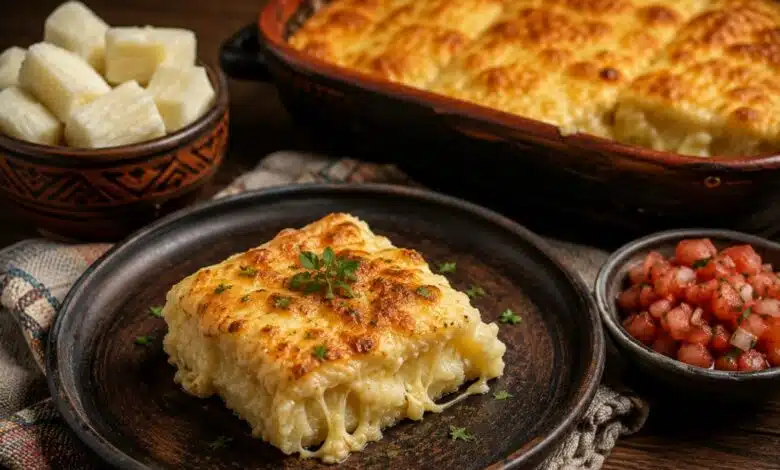
Sonso de yuca tastes savory, cheesy and gently sweet, with the mild earthiness of cooked cassava underneath a warm dairy richness. A good portion has enough cheese to taste indulgent without hiding the yuca, and enough browning to add toasted flavor without drying the soft center.
The first bite can be difficult to compare with a familiar American dish because sonso sits between several categories. It is denser than bread, softer than a fried croquette and more cohesive than boiled yuca served with cheese. Depending on how it is cooked, it may resemble a tender cassava cake, a deeply browned cheese-filled patty or a grilled yuca-and-cheese cylinder with smoky edges.
The exact flavor changes with the cheese, the proportion of yuca, the amount of butter and the final cooking method. A baked version tends to taste mellow and comforting. Sonso cooked in a skillet develops buttery browned edges. Sonso al palo offers the strongest toasted aroma and may carry a subtle smoky note from charcoal or wood.
To look for the dish at a Bolivian restaurant or bakery, see our guide to where to find authentic sonso de yuca nearby, including menu names, restaurant suggestions and useful questions to ask before visiting.
What does sonso de yuca taste like in a few words?
The shortest useful description is this: sonso tastes like tender cooked cassava enriched with salty cheese and lightly toasted on the outside.
It is usually savory rather than sweet, although yuca has a mild natural sweetness. That sweetness becomes more noticeable when the cheese is salty or tangy. The contrast resembles the way corn can taste sweeter beside butter and salt, even when no sugar has been added.
The dairy flavor can range from mild and milky to salty and slightly sharp. Fresh Bolivian-style cheese often creates a soft, rounded flavor. A stronger aged cheese gives the sonso more intensity but may also make it oilier or saltier.
Browning adds another layer. The exterior can taste toasted, buttery, nutty or faintly smoky. These notes are strongest in sonso al palo and skillet versions because more of the surface touches direct heat.
Sonso is not usually spicy. Chile, pepper or salsa may be served with it, but heat is not necessary to define the dish. The traditional center of attention is the yuca-and-cheese mixture itself.
What flavor does yuca add to sonso?
Yuca is often described as neutral, but that description can make it sound flavorless. Properly cooked cassava has a quiet character of its own. It is mildly sweet, starchy and earthy, with a flavor that may remind some people of potato, chestnut or a very subtle root vegetable.
The comparison with potato is useful only as a starting point. Yuca feels denser and tastes slightly more distinctive. It has less of the fluffy, familiar quality of a russet potato and more of a firm, substantial starchiness.
When yuca is mashed while warm, it creates a soft base that holds dairy flavors well. It does not compete aggressively with the cheese, but it prevents the dish from becoming nothing more than melted dairy.
Does yuca taste sweet?
Yuca is not sugary in the way sweet potato is. Its sweetness is restrained and often becomes noticeable only beside salt, butter or toasted cheese.
A balanced sonso may therefore seem slightly sweet even though it is clearly a savory dish. The effect is similar to fresh corn, milk or a lightly browned bread crust: gentle sweetness exists within a savory preparation.
Does yuca taste nutty?
Cooked yuca itself is not intensely nutty, but browning can create toasted aromas that people interpret as nut-like. Butter and cheese deepen that impression, especially where the exterior becomes golden.
Does yuca taste earthy?
There may be a mild earthy undertone, but good sonso should not taste muddy, bitter or raw. Strong bitterness can signal poor-quality cassava, incomplete preparation or burning.
Why the yuca should remain recognizable
Some sonso contains so much cheese that the cassava disappears. That may still taste enjoyable, but it loses the balance that makes the dish distinctive.
The best sonso allows the diner to notice both ingredients. The yuca provides body and gentle sweetness, while the cheese supplies salt, richness and aroma.
How does the cheese affect the flavor?
Cheese is the most variable ingredient in sonso. It can make one version mild and creamy while another tastes salty, tangy and deeply toasted.
Fresh cheese creates a milder sonso
A fresh, lightly salted cheese gives the dish a milky and gentle flavor. It softens the yuca without overpowering it and may remain in small creamy pockets rather than melting into long strands.
This style often tastes closest to a home preparation based on local fresh cheese. It feels rich but not aggressively sharp.
Melting cheese makes the center more elastic
Mozzarella, Monterey Jack or another mild melting cheese can create visible stretches and a softer interior. These cheeses improve cohesion but may contribute less flavor than a fresh salty cheese.
For that reason, many cooks achieve a better result by combining a flavorful fresh cheese with a mild melting cheese.
Aged cheese adds salt and intensity
Cotija, Parmesan or another aged cheese can deepen the flavor in small amounts. Too much may make the sonso salty, grainy or oily.
The goal is not to create the strongest cheese flavor possible. The cheese should support the cassava rather than erase it.
Does authentic sonso need a cheese pull?
No. A dramatic cheese pull depends on the type of cheese, its moisture and how hot the portion is when opened. Fresh crumbly cheeses may soften beautifully without stretching.
A sonso can therefore be completely successful even when the center looks creamy or crumbly rather than stringy. Flavor, softness and integration matter more than visual drama.
| Cheese style | Likely flavor | Likely texture | Possible drawback |
|---|---|---|---|
| Fresh mild cheese | Milky, gentle and lightly salty | Soft with small creamy pockets | May taste bland if underseasoned |
| Low-moisture melting cheese | Mild and buttery | Elastic and cohesive | May lack character on its own |
| Fresh salty cheese | Bright, savory and tangy | Soft but not necessarily stretchy | Can dominate if too much is used |
| Aged hard cheese | Strong, salty and nutty | Fine and less creamy | May release oil or become grainy |
| Mixed cheeses | Balanced and layered | Soft with improved binding | Proportions require adjustment |
What texture should sonso de yuca have?
A good sonso should be soft, dense and cohesive inside. It is more substantial than bread but should not feel hard, rubbery or compacted.
The texture comes from cooked whole yuca rather than flour or isolated starch. This means the center retains the body of a root vegetable even after it has been mashed and mixed with cheese.
The interior
The center should yield easily to a fork. It may be creamy in a baked version, slightly elastic in a cheese-heavy version or gently fibrous when the yuca has been mashed coarsely.
Small irregular pieces of yuca are not necessarily a flaw. They can make the root more recognizable and keep the sonso from feeling like a processed paste.
The exterior
The outside should be firmer than the center. Depending on the method, it may be lightly crisp, browned, toasted or slightly chewy.
A baked tray develops a broad golden top and firmer edges. A skillet portion forms crust on the surfaces touching the pan. Sonso al palo can brown on several sides and therefore offers the greatest contrast.
Is sonso chewy?
It may have a slight chew, especially when made with melting cheese, but it should not feel as elastic as cuñapé or pão de queijo. Those breads use cassava starch, while sonso uses cooked whole yuca.
Is sonso creamy?
Baked sonso can be creamy in the center, particularly when the mixture contains fresh cheese, butter and enough milk. The word creamy should not mean wet or runny. The portion should still hold together.
Is it supposed to be crispy?
Only the surface may become lightly crisp. Sonso does not require a hard fried shell or breadcrumb coating. A thick crunchy crust would move the experience away from the tender character of the traditional dish.
- Softness
- High in the center, especially when served warm
- Density
- Higher than bread and similar to a substantial mashed-root preparation
- Elasticity
- Low to moderate depending on the cheese
- Crispness
- Limited mainly to the browned surface
- Moisture
- Tender and moist without visible liquid
- Fibrousness
- Minimal when the central yuca core has been removed correctly
What does baked sonso taste like?
Baked sonso usually has the softest and most mellow flavor of the main preparations. Oven heat warms the mixture evenly and allows the yuca, cheese and butter to blend gradually.
The top develops toasted dairy aromas, while the protected center remains moist. Pieces cut from the middle of the tray taste softer and creamier. Edge pieces have more browning and a firmer bite.
The flavor of the center
The center emphasizes the natural mildness of yuca and the dairy character of the cheese. It may taste buttery, milky and slightly sweet.
Because less of the mixture is directly exposed to heat, baked sonso generally carries fewer smoky or charred notes than sonso al palo.
The flavor of the top
Cheese and butter near the surface brown in the oven, producing nutty and toasted aromas. If additional cheese is sprinkled on top, that layer may taste stronger than the interior.
Middle pieces versus edge pieces
A middle square is best for someone who prefers a soft center. An edge piece suits a diner who wants more browning and a slightly firmer structure.
Why baked sonso can resemble a casserole
The shared-dish format, golden top and soft center create a casserole-like appearance. The taste remains different because yuca is denser and more gently sweet than potato or pasta.
Choose baked sonso when you enjoy
- a deep, soft center;
- mellow cheese flavor;
- buttery baked aromas;
- a substantial breakfast or side dish;
- food that can be cut into different portion sizes;
- less smoke and fewer charred notes.
What does sonso al palo taste like?
Sonso al palo usually tastes more toasted and aromatic than baked sonso. The yuca-and-cheese mixture is formed around a stick and rotated over heat, allowing several sides to brown.
The direct heat creates a firmer shell around a soft center. When charcoal or wood is used, the exterior may also carry a light smoky aroma.
More browned surface in every bite
A cylinder offers a high proportion of exterior compared with a square from the middle of a tray. Most bites therefore include toasted flavor along with the soft yuca-and-cheese center.
How smoke affects the taste
Gentle smoke adds depth without changing the basic flavor. It can make the cheese seem more savory and the browned cassava more nutty.
Heavy smoke or blackened surfaces create bitterness. The best sonso al palo is browned and aromatic rather than burned.
Why the center may taste less creamy
The grilled mixture normally needs to be firm enough to remain on the stick. It may therefore contain less milk than a soft baked sonso.
The center should still be tender, but it may feel more compact and structured.
How the stick changes the experience
The stick itself does not add flavor unless the sonso is cooked over a fragrant wood fire, but it changes how the food is eaten. Sonso al palo feels immediate, informal and closely connected to outdoor cooking.
Choose sonso al palo when you enjoy
- stronger toasted flavor;
- a lightly smoky aroma;
- more browned surface;
- a firmer exterior;
- handheld grilled food;
- contrast between crust and center.
What does skillet sonso taste like?
Skillet sonso sits between the baked and grilled versions. It offers a browned surface without requiring an outdoor fire, while the thick center can remain soft.
Butter or oil used in the pan contributes directly to the flavor. A buttered skillet creates rich, nutty edges. Neutral oil allows the yuca and cheese to stand out more clearly.
Why skillet browning tastes different from grilling
Full contact with the hot pan creates an even crust. Grill heat produces more irregular browning, with a mix of pale, golden and darker areas.
The skillet version therefore tastes more consistently toasted but usually lacks the smoky notes of sonso al palo.
Does skillet sonso taste fried?
It can taste lightly fried around the edges, but it should not be saturated with oil. The pan needs only enough fat to prevent sticking and encourage browning.
If the portion absorbs a large amount of oil, the yuca may feel heavy and the cheese flavor may become less distinct.
The best skillet texture
A thick patty should develop a golden crust while preserving a soft interior. Thin patties become crisp more quickly but can lose the tender center that makes sonso satisfying.
Does reheated sonso taste different from fresh sonso?
Yes. Sonso is at its most aromatic when freshly cooked and still warm. The cheese is softer, the yuca feels more tender and the browned exterior has not yet absorbed steam.
As the dish cools, the starch and cheese firm. The flavor remains, but the portion feels denser and less creamy.
Fresh from the oven or grill
The aroma is strongest, the surface is at its driest and the center feels softest. This is the ideal moment for a first tasting.
After sitting at room temperature
The cheese begins to set and the exterior loses some contrast. A grilled cylinder may become slightly chewy, while a baked square becomes firmer and easier to cut.
After refrigeration
Cold sonso can feel compact and waxy because the dairy fat has solidified. It is generally more enjoyable after reheating.
Reheated in the oven
Oven reheating warms the center gradually and can refresh the top. A dry piece may benefit from loose covering during the first part of heating.
Reheated in a skillet
A firm square or patty can develop new browning. The exterior may become even more toasted than it was originally.
Reheated in a microwave
The microwave softens the center quickly but does not recreate a crisp or browned surface. Too much heating can make the cheese oily and the edges rubbery.
How much should sonso taste of yuca and how much of cheese?
There is no universal ratio, but both ingredients should remain noticeable. The yuca should create the body and mild sweetness, while the cheese provides salt, dairy richness and binding.
A yuca-heavy version tastes more traditional to diners who value the root itself. It is dense, mildly sweet and less oily. A cheese-heavy version feels richer, softer and more indulgent.
When there is too little cheese
The sonso may taste bland, dry or similar to plain mashed cassava. It may also crumble because there is not enough dairy to help bind the mixture.
When there is too much cheese
The portion can become greasy, salty or rubbery. Strong cheese may hide the yuca completely.
When the balance is right
The first impression is warm cheese, but the cassava becomes clear as you chew. The finish is starchy and lightly sweet rather than oily.
The surface tastes toasted, while the center remains mild and comforting. Salt supports the flavor without creating thirst or overpowering the meal.
| Balance | Flavor | Texture | Best suited to |
|---|---|---|---|
| More yuca | Mild, earthy and gently sweet | Dense and substantial | Side dishes and diners who like cassava |
| Balanced | Clearly cheesy with recognizable yuca | Soft, cohesive and tender | Most first-time tasters |
| More cheese | Rich, salty and dairy-forward | Softer or more elastic | Cheese lovers and smaller portions |
What should sonso smell like?
Fresh sonso should smell warm, starchy, milky and lightly toasted. The aroma is comforting rather than intensely spiced.
Cooked yuca aroma
Yuca has a mild root-vegetable scent. It should not smell raw, fermented or sharply bitter.
Cheese aroma
Fresh cheese adds a gentle dairy smell. Stronger cheeses may contribute tangy or aged notes, but the aroma should remain clean.
Butter and browned dairy
Butter creates a warm richness, especially in skillet and baked versions. Browning adds aromas similar to toasted milk solids or the edge of a cheese-filled pastry.
Grill aroma
Sonso al palo may smell faintly of smoke and char. These aromas should be secondary to the yuca and cheese.
Unpleasant aromas
A sour dairy odor, stale frying oil, harsh smoke or fermented smell may indicate poor ingredients, storage problems or excessive burning.
What familiar foods does sonso resemble?
No comparison is exact, but familiar foods can help a first-time diner imagine the experience.
Mashed potato casserole
Baked sonso may look similar to a cheesy potato casserole. The yuca is denser, slightly sweeter and more elastic than potato.
Polenta with cheese
Both can be mild, dense and dairy-rich. Sonso has a root-based texture rather than the graininess of cornmeal.
Arepa with cheese
The combination of starch and cheese feels related, but arepas are made from corn and have a different crumb and exterior.
Mozzarella-filled croquette
Sonso may provide a similar pleasure of browned exterior and soft cheese, but it usually lacks breading and does not require deep frying.
Cheese bread
The flavor may remind people of cheese bread, yet the structure is different. Sonso is based on cooked yuca rather than a dough made from starch.
Hash brown casserole
A golden baked sonso can share the comforting richness of a hash brown casserole, but cassava produces a smoother and more cohesive center.
Grilled cheese
Sonso al palo offers the same appeal of toasted dairy and a warm interior, but the starch is mixed directly with the cheese rather than surrounding it as bread.
How can you tell whether sonso is well prepared?
A good portion should deliver clear cassava flavor, integrated cheese, proper seasoning and a contrast between the surface and center.
The yuca is completely tender
There should be no hard, chalky pieces. The root needs to be cooked thoroughly before mashing.
The central fibers are gone
A tough string running through the portion means the woody yuca core was not removed properly.
The cheese is distributed throughout
Sonso is not plain yuca with cheese sprinkled on top. The dairy should be incorporated into the mixture.
The center is moist but not wet
A fork should pass easily through the portion, but liquid should not collect underneath it.
The exterior shows intentional browning
Golden patches add aroma and flavor. A pale surface may still taste good, but it misses part of the contrast that makes sonso memorable.
The seasoning is restrained
Salt should sharpen the flavor rather than dominate it. Strong herbs, garlic or chile may be enjoyable variations, but they should not be necessary to rescue a bland base.
| Feature | What you want | What may be wrong |
|---|---|---|
| Yuca | Tender, mild and evenly mashed | Hard, chalky or bitter |
| Cheese | Integrated and balanced | Only on top or overwhelmingly salty |
| Center | Soft, cohesive and warm | Watery, gluey, cold or crumbly |
| Exterior | Golden with toasted patches | Burned, greasy or completely soggy |
| Aroma | Warm cassava, cheese and light toast | Sour dairy, stale oil or harsh smoke |
| Finish | Savory, mild and satisfying | Excessively salty, oily or bitter |
What unpleasant flavors or textures can sonso develop?
Most problems come from the yuca, cheese, moisture level or heat.
Gluey sonso
Overprocessing yuca can turn the starch sticky. The center may cling to the mouth rather than feeling soft and tender.
Dry sonso
Too little cheese, butter or milk can leave the mixture crumbly. Excessive baking or grilling can also remove too much moisture.
Watery sonso
Poorly drained yuca, wet cheese or too much milk can prevent the mixture from setting. The flavor may seem diluted.
Rubbery sonso
A large amount of highly elastic cheese or prolonged reheating can make the center chewy in an unpleasant way.
Greasy sonso
Too much high-fat aged cheese or added oil can create visible pooling. The finish feels heavy and covers the mild cassava flavor.
Bitter sonso
Burned cheese, blackened cassava or poor-quality yuca may produce bitterness. A few charred spots on sonso al palo can be pleasant, but extensive burning is not.
Bland sonso
Very mild cheese and insufficient salt can make the dish taste flat. Increasing the cheese quality is usually better than covering the sonso with heavy sauce.
What should you eat and drink with sonso?
Sonso is rich, dense and cheesy, so the best pairings either refresh the palate or make the meal feel complete without adding unnecessary heaviness.
Coffee
Coffee is one of the most natural pairings. Its bitterness balances the mild sweetness of yuca and the richness of cheese.
A darker roast works well with grilled sonso, while a milder coffee suits a soft baked square.
Tea
Black tea provides tannin and warmth without competing with the food. Herbal tea can work when a lighter pairing is preferred.
Hot chocolate
Hot chocolate creates a richer breakfast or afternoon snack. A less sweet version keeps the combination from becoming heavy.
Fresh tomato and onion salad
Acidity, crispness and fresh herbs cut through the cheese. Keeping the salad beside the sonso preserves the browned surface.
Fresh salsa
A mild tomato salsa can add moisture and brightness. Very watery salsa should be served separately.
Grilled meat
Sonso can replace potatoes, rice or bread beside beef, chicken or pork. A smaller portion is usually enough because both components are filling.
Grilled vegetables
Peppers, corn, onions and zucchini complement the toasted character of sonso al palo without adding more dairy.
Eggs
A small baked square beside eggs creates a substantial breakfast. Fresh fruit or tomato helps balance the plate.
Cuñapé and other Bolivian baked foods
Serving several traditional foods together creates variety, but portions should remain modest. Sonso is denser than it appears.
For breakfast
Pair baked sonso with coffee, eggs and fresh fruit.
For an afternoon snack
Serve a small warm portion with coffee or tea.
For a cookout
Serve sonso al palo beside grilled vegetables and fresh salsa.
For a Bolivian tasting table
Offer smaller portions with cuñapé, salteñas and humintas.
Which version should you order for your first taste?
The best first version depends on what you want to understand about the dish.
Choose baked sonso for the softest introduction
A warm middle piece lets you focus on the yuca-and-cheese mixture without strong smoke or char. It is usually the easiest version for diners who enjoy casseroles, mashed roots and baked cheese dishes.
Choose sonso al palo for the most distinctive presentation
The stick, cylindrical shape and toasted exterior make the dish visually memorable. It is a strong choice for someone who enjoys grilled food and browned cheese.
Choose a skillet portion for maximum crust without smoke
Skillet sonso provides a buttery golden exterior and works well for diners who prefer pan-fried textures.
Ask when it was prepared
A freshly cooked version is more important than choosing the theoretically perfect method. Sonso that has been sitting for hours may feel firm and dry even when it was prepared correctly.
Ask about the cheese
A fresh mild cheese creates a different experience from mozzarella or an aged salty cheese. Neither is automatically wrong, but the answer helps set expectations.
Ask about portion size
One order might be a small square, one large skewer or a family-style tray. Sonso is dense, so its size can be misleading.
How to control the flavor when making sonso at home
Home preparation gives you direct control over the balance of cassava, cheese, butter, salt and browning.
Choose good yuca
Fresh yuca should be firm and clean inside. Frozen peeled yuca is convenient and often produces consistent results.
Cook it until completely tender
Undercooked pieces create a chalky flavor and hard texture. The fork should enter the thickest part easily.
Drain it well
Excess water dilutes the flavor and weakens the structure. Allow steam to escape before mashing.
Use two complementary cheeses
A fresh flavorful cheese paired with a mild melting cheese can create better balance than either one alone.
Add milk gradually
Milk softens a dry mixture but can quickly make it loose. Add only enough to create a cohesive consistency.
Taste after adding the cheese
Cheese contributes salt, so seasoning before it is incorporated may lead to an overly salty result.
Brown without burning
Golden surfaces taste toasted and nutty. Blackened cheese tastes bitter. Moderate heat gives the center time to warm while the outside develops color.
Serve it while warm
The cheese is softer and the yuca feels more tender before the dish cools.
Questions people ask about the flavor and texture
Is sonso de yuca sweet or savory?
Sonso is generally savory, but cooked yuca has a mild natural sweetness that becomes more noticeable beside salty cheese.
Does sonso taste like potato?
It has some similarity to a cheesy potato preparation, but yuca is denser, slightly sweeter and more elastic than potato.
Is sonso spicy?
Traditional sonso does not need to be spicy. Chile or salsa may be served beside it, but the main flavors are yuca, cheese and browning.
Is sonso supposed to be crispy?
The exterior may be lightly crisp or toasted, while the center should remain soft, dense and tender.
Should the cheese stretch when sonso is opened?
It may stretch when a melting cheese is used, but fresh cheeses can create a rich soft center without long cheese strands.
Which tastes smokier, baked sonso or sonso al palo?
Sonso al palo usually tastes smokier because it is cooked over direct heat and may be prepared over charcoal or wood.
Why does some sonso taste greasy?
Too much high-fat cheese, butter or oil can produce visible grease and hide the mild cassava flavor.
Why is my sonso gluey?
Yuca can become gluey when it is blended or processed too aggressively. Hand-mashing gives better control.
What drink goes best with sonso?
Coffee is a traditional and practical pairing because its bitterness balances the mild sweetness of yuca and the richness of cheese.
Is sonso filling?
Yes. Cooked yuca is dense, and the added cheese makes even a modest portion satisfying.
Sonso tastes simple at first, but the details matter
Sonso de yuca begins with a modest combination of cooked cassava and cheese, yet small choices create noticeably different results. Fresh cheese produces a mild and milky center. Melting cheese adds elasticity. Butter increases richness, while direct heat creates toasted and smoky aromas.
Baked sonso is usually the softest and most mellow. Skillet sonso adds buttery crust. Sonso al palo provides the strongest contrast between a browned exterior and tender center.
The best version does not need excessive cheese, dramatic stretching or heavy seasoning. It should taste clearly of tender yuca, balanced dairy and purposeful browning. Served warm with coffee, fresh salad or grilled food, it becomes a comforting introduction to one of eastern Bolivia’s most distinctive cassava dishes.


